



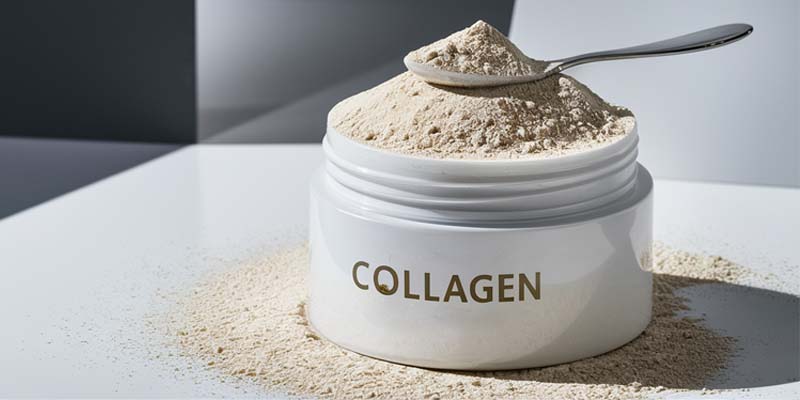
In the fast-paced world of health and wellness, it is easy for our pantry shelves to become crowded with various powders, vitamins, and tinctures. Often, we rediscover a forgotten container and find ourselves asking: what happens if you take expired collagen? While the instinct might be to toss it immediately or, conversely, to ignore the date entirely, the reality lies somewhere in between. Understanding the science of protein degradation and the shelf-life of peptides is essential for anyone who wants to maintain a safe and effective nutritional regimen without wasting their investment or compromising their health.
The first thing to understand is that the “expiration” date on a tub of collagen is typically a “Best By” date, which refers to the manufacturer’s guarantee of peak potency. Collagen is a protein made of amino acid chains; over time, these chains can undergo a process called oxidation or denaturation. If you consume collagen past its prime, the most common outcome is simply a lack of efficacy. The bioactive peptides may have broken down to the point where they are no longer recognized by the body as the specific building blocks needed for skin repair or joint lubrication. Essentially, you may be consuming extra calories without the targeted structural benefits you expect.
However, safety becomes a primary concern if the product has been stored in a suboptimal environment. Because collagen is an organic material, it can be susceptible to microbial growth if moisture finds its way into the container. If you have ever used a damp scoop or left the lid loosely tightened in a humid kitchen, the risk of mold or bacterial contamination increases significantly. In these cases, taking expired collagen can lead to digestive upset, nausea, or even allergic reactions. Before consuming any aged supplement, you should perform a sensory check: if the powder has developed a sour odor, a yellowish tint, or has begun to clump into hard chunks that do not break apart easily, it is a clear sign that the product is no longer safe for consumption.
To avoid these risks, it is best to purchase collagen in quantities you can finish within six months of opening and to store it in a cool, dark, and dry place. By prioritizing freshness and trusting a transparent, quality-controlled brand like BioOptimal Supplements, you can be certain that every serving you take is at its maximum potential for health and healing. Investing in high-quality supplements is an investment in your body; ensuring they are fresh is the best way to guarantee that investment pays off in visible, tangible results.
