



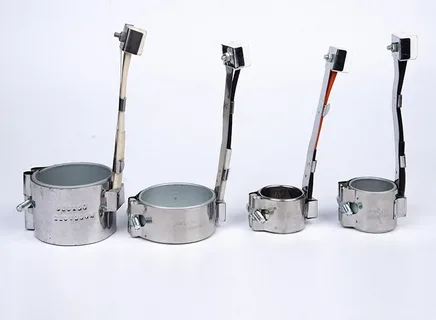
Heat performance in industrial processes often depends on details that are easy to overlook. One of the most influential factors is how closely a heater fits the surface it is meant to warm. In operations that rely on mica band heaters, proper fit directly affects efficiency, consistency, and equipment lifespan.
A Tight Mica Band Wrap Increases Surface Heat Contact
A tight mica band wrap ensures maximum contact between the heater and the barrel surface. Heat transfers most effectively through direct contact, and even slight looseness limits how much energy actually enters the material. When the band fits snugly, thermal energy moves straight from the heater into the metal rather than dispersing into surrounding air. This increased contact also improves response time. A well-fitted mica band allows the system to reach operating temperature faster because less energy is lost along the way. Over time, this leads to more predictable heating behavior and improved control over production conditions.
Gaps Between Heater and Barrel Reduce Energy Efficiency
Small gaps between a heater and the barrel may seem insignificant, but they disrupt heat flow. Air trapped in these spaces acts as insulation, forcing the heater to work harder to compensate. As a result, energy consumption rises while effective heating drops.
These gaps also cause uneven heat transfer. Some areas receive sufficient warmth while others lag behind, creating temperature variations that affect product quality. In systems using mica band heaters, minimizing gaps is essential for maintaining stable and efficient operation.
Uniform Contact Helps Deliver Consistent Temperature Across Parts
Uniform contact around the barrel allows heat to spread evenly across the surface. This consistency is especially important in processes that demand precise temperature control, such as plastics extrusion or injection molding. A properly fitted mica band supports steady thermal output across all zones.
Temperature consistency reduces variability in finished parts. When heat is evenly distributed, materials flow and cure as intended. This reliability is a direct result of proper heater fit rather than changes in power input or controller settings.
Loose Fit Allows Heat to Escape Instead of Entering the Material
A loose-fitting heater creates an escape path for heat. Instead of moving into the barrel, thermal energy dissipates outward into the environment. This loss forces operators to increase power, which raises operating costs without solving the underlying issue.
Over time, this inefficiency stresses the heater. Continuous overcompensation can shorten the life of mica band heaters by pushing them beyond optimal operating ranges. Secure fit keeps heat focused where it belongs and protects system components.
Proper Tension Keeps Heat Where It’s Needed for Faster Response
Proper tension holds the heater firmly against the barrel surface. This tension ensures that heat transfer begins immediately when power is applied. Faster response times improve system control, especially during startup or temperature adjustments.
Maintaining proper tension also reduces thermal lag. Without delays caused by poor contact, the system reacts more accurately to control signals. This improves process stability and reduces the risk of overheating or undershooting target temperatures.
Good Fit Reduces Wasted Cycles Trying to Reach Temperature Targets
Heaters that fit poorly often cycle on and off more frequently. Controllers attempt to compensate for lost heat by increasing output, leading to inefficient cycling. This behavior wastes energy and places additional strain on electrical components.
A properly sized mica band heater reaches and holds target temperatures with fewer corrections. Reduced cycling means smoother operation, lower power usage, and more predictable thermal performance throughout production runs.
Even Pressure Around the Band Prevents Uneven Heating Zones
Even pressure around the heater band prevents localized hot and cold spots. Uneven pressure causes certain areas to overheat while others remain underheated, creating inconsistent thermal zones along the barrel.
These temperature variations can affect material flow and increase wear on equipment. Applying even pressure through correct sizing and installation allows mica band heaters to perform as designed, delivering balanced heat across the entire surface.
Fit That Matches Barrel Size Lowers Strain on Electrical Inputs
When a heater fits correctly, electrical input translates efficiently into usable heat. Poor fit forces the system to draw more current to achieve the same result, increasing electrical strain. Over time, this can affect wiring, terminals, and power supplies.
Matching the heater precisely to barrel dimensions helps stabilize electrical demand. Consistent input reduces stress on system components and supports safer, more reliable operation in industrial environments.
Secure Heater Placement Extends Life by Avoiding Hot Spots
Hot spots form when heat concentrates in areas with poor contact. These localized temperature spikes accelerate wear and can damage the heater internally. Secure placement prevents this by distributing heat evenly across the surface.
Avoiding hot spots directly extends heater life. A properly fitted mica band operates within its intended temperature range, reducing internal stress and delaying material breakdown. This leads to longer service intervals and lower replacement costs. Proper fit plays a defining role in how mica band heaters perform. Thermal Corporation provides well-engineered heating solutions, application guidance, and fit-focused designs that help systems operate efficiently, consistently, and reliably over the long term.
