



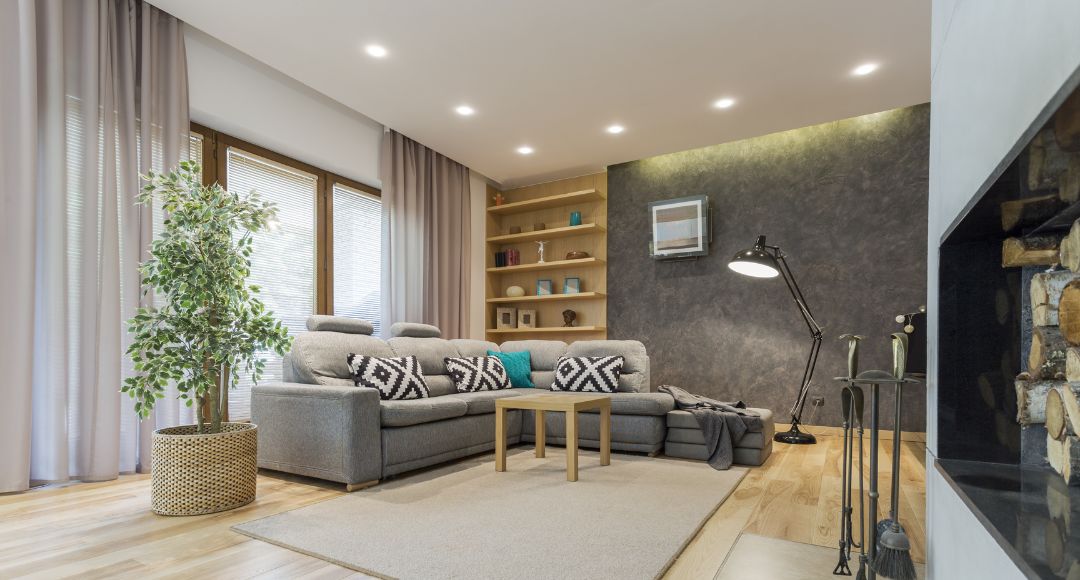
Lighting isn’t just functional — it’s foundational. It defines mood, expands spaces, and highlights design elements. Among the many lighting solutions available today, square recessed downlights stand out as a stylish and contemporary choice for modern homes. More than just a source of illumination, these fixtures blend form and function seamlessly, enhancing aesthetics while delivering performance.
In this blog, we will explore everything from design benefits to installation insights, energy efficiency, and ways to integrate square recessed downlights into various spaces in your home. Whether you are remodeling, building new, or simply updating your lighting, this guide will help you make informed decisions.
✨ Key Highlights
- Definition and design appeal of square recessed downlights
- Benefits: aesthetic, functional, and energy-wise
- Comparison with other lighting types
- Placement and layout strategies
- Choosing the right color temperature and beam angle
- Installation basics and tips
- Maintenance and lifespan
- Stylish ideas for different rooms
- Cost considerations and ROI
What Are Square Recessed Downlights?
Square recessed downlights are lighting fixtures installed flush with the ceiling, offering a clean and modern appearance. Unlike surface-mounted lights that protrude, recessed downlights create a minimalist ceiling profile. Their square shape adds geometric precision that complements contemporary interiors, making them a popular choice in modern homes, offices, and hospitality spaces.
These are typically LED-based, offering sleek integration with ceilings and high energy efficiency. The square form factor distinguishes them from traditional round downlights — giving spaces a sharper, architectural feel.
Why Choose Square Recessed Downlights?
1. Sleek Modern Aesthetics
Square recessed downlights deliver a contemporary look that fits seamlessly with modern architectural themes. Their geometric design provides visual interest and aligns well with minimalist, industrial, or Scandinavian interiors.
2. Space-Enhancing Lighting
Because they are installed within the ceiling, recessed downlights free up visual and physical space. This creates a cleaner sightline and makes rooms feel larger and more open — especially valuable in smaller living areas.
3. Versatile Lighting Functionality
These fixtures can serve multiple purposes:
- Ambient lighting – Soft, general illumination for a room
- Task lighting – Focused light for workspaces, kitchens, and reading areas
- Accent lighting – Highlight architectural features, art, or décor
With the right arrangement, square recessed downlights can handle all three lighting functions with elegance.
4. Energy Efficiency
Most modern square recessed downlights use LED technology, which delivers significant energy savings compared to incandescent and fluorescent bulbs. LEDs offer high lumens per watt, lower heat output, and longer lifespans.
5. Reduced Glare and Better Light Distribution
LED downlights can be specified with diffusers and specific beam patterns to minimize glare. Well-designed square downlights provide smooth, evenly distributed light — essential for comfort and visual clarity.
Square vs. Round Downlights: What’s the Difference?
While both square and round recessed downlights perform similar functions, their visual impact differs:
| Feature | Square Downlights | Round Downlights |
| Aesthetic appeal | Modern, architectural edge | Classic, soft look |
| Style fit | Contemporary, minimalist spaces | Traditional and transitional spaces |
| Visual presence | Strong geometric presence | Softer, subtle presence |
| Design versatility | Works well with grids and linear layouts | Flexible with curved layouts |
Your choice depends on design goals. For sharp, linear ceilings and modern décor, square downlights are often preferred.
Where to Use Square Recessed Downlights
Living Room
The living room is a hub for activities and relaxation. Square recessed downlights here can:
- Provide warm, ambient lighting for comfort
- Highlight wall art or décor
- Be combined with dimmers for mood control
Place them in a grid or perimeter layout to distribute light evenly, avoiding shadows or dark corners.
Kitchen
Kitchens need bright, clear light for functionality. Square downlights perform well over:
- Countertops
- Islands
- Cooking zones
Use multiple fixtures with cool white light (3000–4000K) for crisp task illumination.
Hallways & Entryways
Hallways often lack natural light. Recessed downlights maintain brightness without bulky fixtures interfering with the space. Square fixtures align neatly with hall lines.
Bathrooms
Choose downlights with damp-rated or waterproof features for bathrooms. These lights offer:
- Shadow-free lighting over vanities
- Safe, compliant illumination near showers or tubs
Pair them with mirrors to create flattering, even lighting.
Bedrooms
In bedrooms, square recessed downlights provide gentle ambient light. Combine with bedside lamps or accent lighting for layered illumination.
Home Offices
Place downlights above desks and task areas. Pair with adjustable lights to reduce eye strain and create a productive workspace.
Lighting Layout: Best Practices
1. Plan Before Installing
Start with a floor plan. Mark areas where light is most needed (workspaces, seating, circulation routes). Keep equal spacing for balanced light.
2. Use a Layered Lighting Approach
Combine:
- Ambient lighting with recessed downlights
- Accent lighting with wall washers or spotlights
- Task lighting with under-cabinet lights or desk lamps
Layering avoids overly bright spaces with harsh shadows.
3. Mind Ceiling Height
Standard ceiling height (8–9 feet) typically requires fixtures spaced 4–6 feet apart. For higher ceilings, increase spacing or choose higher-output fixtures.
4. Combine with Dimmers
Adding dimmers to square recessed downlights enhances flexibility — bright when needed, soft when desired.
Choosing the Right Light Temperature and Beam Angle
Color temperature (measured in Kelvin) impacts mood:
- Warm White (2700–3000K)
Cozy and inviting — ideal for living rooms and bedrooms. - Neutral White (3000–4000K)
Balanced and versatile — perfect for kitchens and bathrooms. - Cool White (4000–5000K +)
Bright and energetic — great for task-oriented spaces.
Beam angle influences spread:
- Narrow (15°–30°) – Focused accent lighting
- Medium (30°–60°) – General ambient and task lighting
- Wide (60°+) – Broad wash of light
For most residential spaces, medium beam angles (around 40°) work best.
Installation Insights: What to Know
1. Choose Compatible Ceiling Types
Square downlights fit well into:
- Drywall ceilings
- Suspended ceilings with sufficient clearance
Always verify ceiling depth and insulation conditions.
2. Electrical Considerations
Downlights should:
- Match your home’s voltage requirements
- Be connected to appropriate circuits
- Use IC-rated housings when installed in insulated ceilings
If unsure, professional installation is recommended.
3. Recessed Housing Matters
Choose housings that:
- Support LED modules
- Have thermal management to prolong LED life
- Prevent drafts or air leakage
Quality housings improve performance and longevity.
4. Retrofit vs. New Construction
- Retrofit kits upgrade existing fixtures with minimal effort.
- New construction housings provide full integration for new builds.
Retrofitting is cost-effective; new builds allow more customization.
Maintenance and Lifespan
LED square recessed downlights are low-maintenance:
- LED lifespan: Often 25,000 to 50,000+ hours
- Minimal bulb replacement
- Dust occasionally using a soft cloth
- Ensure proper ventilation to prevent overheating
Proper installation and quality fixtures greatly extend longevity.
Design Ideas & Inspiration
1. Minimalist White Ceiling with Aligned Downlights
Keep ceilings clean, use uniform spacing, and let the light define the geometry.
2. Accent Walls and Art Highlights
Place downlights to highlight art or texture walls, adding depth and drama.
3. Contrast with Dark Ceilings
Dark ceilings with square downlights create a dramatic, modern effect.
4. Integrated with Cove Lighting
Combine recessed downlights with cove lighting for an ambient glow and layered dimension.
5. Functional Zones in Open Plan Areas
Use separate light groups for zones (dining, living, kitchen) in open plans for flexible mood and task lighting.
Cost Considerations & ROI
Initial Costs
Factors include:
- Fixture quality
- LED vs. traditional bulbs
- Installation complexity
- Dimming or control system
Long-Term Savings
LED square recessed downlights deliver:
- Lower energy bills
- Reduced replacement costs
- Less maintenance
- Enhanced home resale value due to modern lighting appeal
Return on Experience
Well-planned lighting improves comfort, usability, and visual appeal — intangible benefits that elevate daily living.
Wrapping Up
Square recessed downlights are a smart way to illuminate modern homes — combining clean aesthetics, practical functionality, and energy-efficient technology. Whether you are lighting a kitchen, living area, hallway, or bedroom, these fixtures enhance spaces with subtle sophistication.
From design planning to installation and maintenance, choosing the right square recessed downlights can elevate your interior environment and bring out the best in your home’s architectural and decorative elements.
Ready to redesign your lighting? Start with a lighting plan, pick the right fixtures, and watch your space transform — brilliantly and beautifully.
