



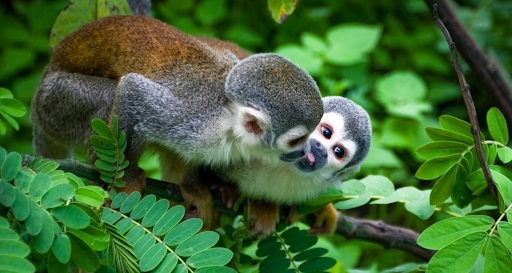
Amazon wildlife tours offer adventurous travelers an extraordinary opportunity to witness the planet’s most biodiverse ecosystem in action. These specialized excursions transport visitors from their everyday lives into a realm where nature operates according to ancient rhythms, where every rustling leaf might conceal a rare species, and where the cacophony of wildlife sounds creates an unforgettable symphony. Understanding the various types of Amazon wildlife tours available, what they offer, and how to choose the right experience can transform a simple vacation into a life-changing encounter with the natural world.
Understanding Amazon Wildlife Tour Options
The diversity of Amazon wildlife tours matches the biodiversity of the rainforest itself. These experiences range from single-day excursions departing from gateway cities to comprehensive two-week expeditions penetrating deep into protected reserves. Each tour type serves different interests, fitness levels, budgets, and time constraints, ensuring that virtually anyone with a passion for wildlife can find an appropriate Amazon experience.
Lodge-based wildlife tours represent the most popular option, combining comfortable accommodation with daily guided excursions. These tours typically last three to seven days and operate from eco-lodges positioned strategically within prime wildlife habitats. Guests enjoy private rooms or bungalows, prepared meals, and a structured schedule of morning and afternoon activities led by expert naturalist guides. This format works exceptionally well for travelers seeking wildlife experiences without sacrificing basic comfort, families with children, and those new to rainforest environments.
River cruise wildlife tours provide mobile platforms for exploration, allowing participants to cover extensive territory while maintaining comfortable accommodations. These range from intimate boats accommodating 10-20 passengers to larger expedition vessels with 40-100 guests. Cruises excel at accessing remote tributaries and offering diverse perspectives as the vessel relocates each day, presenting new wildlife viewing opportunities along different river systems.
Camping and expedition tours appeal to adventurous souls willing to trade comfort for authenticity and deeper wilderness immersion. These Amazon wildlife tours involve sleeping in tents or rustic camps, often in areas inaccessible to lodge-based visitors. While physically demanding and requiring flexibility, camping tours frequently deliver more intense wildlife encounters due to their ability to reach pristine, rarely visited locations.
Specialized photography tours cater specifically to wildlife photographers, with itineraries designed around optimal lighting conditions, known wildlife activity patterns, and access to prime photography locations. These tours typically feature smaller group sizes, extended time at productive sites, and guides experienced in assisting photographers rather than rushing through general sightseeing.
Scientific and research tours partner participants with ongoing conservation and research projects. These programs might involve helping scientists track jaguar movements, monitoring bird populations, or documenting primate behavior. Participants gain unprecedented insight into rainforest ecology while contributing to meaningful conservation work.
What Makes Amazon Wildlife Tours Unique
Amazon wildlife tours differ fundamentally from wildlife experiences in other ecosystems. Unlike African safaris where animals roam open grasslands, Amazonian wildlife inhabits a three-dimensional environment of dense forest strata. This vertical complexity means observers must learn to scan from ground level to canopy heights, often spotting animals as small movements, distinctive calls, or subtle changes in vegetation patterns.
The element of discovery remains heightened throughout Amazon wildlife tours. Whereas many safari routes offer predictable animal sightings at waterholes or migration crossings, the rainforest retains mystery and unpredictability. Each excursion brings genuine uncertainty about what might appear, perhaps a jaguar track on yesterday’s trail, a harpy eagle on its nest, or a troop of spider monkeys cascading through the canopy. This uncertainty, rather than disappointing participants, tends to heighten the thrill when special sightings occur.
Professional naturalist guides elevate Amazon wildlife tours from simple nature walks to immersive educational experiences. These experts often locals with lifetime forest knowledge possess uncanny abilities to detect camouflaged sloths, identify bird calls from hundreds of species, and interpret subtle signs invisible to untrained eyes. Many guides combine traditional indigenous knowledge with formal ecological training, offering perspectives that synthesize ancestral wisdom and modern science.
Typical Amazon Wildlife Tour Activities
Most Amazon wildlife tours incorporate a variety of activities designed to maximize wildlife encounters across different habitats and times of day. Guided rainforest walks form the foundation, typically scheduled for early morning and late afternoon when animal activity peaks. These excursions along established trails or sometimes through trackless forest teach participants to observe wildlife while learning about rainforest ecology, medicinal plants, and the intricate relationships binding the ecosystem together.
Canoe excursions on oxbow lakes and quiet tributaries provide access to aquatic and semi-aquatic species impossible to observe from land. Paddling silently across mirror-calm waters, participants might encounter giant river otters fishing cooperatively, hoatzins perched in riverside vegetation, or pink dolphins surfacing nearby. These peaceful journeys often rank among tour participants’ most memorable experiences.
Night safaris, whether on foot or by boat, reveal an entirely different cast of rainforest characters. Caimans’ eyes glow red in flashlight beams, frogs emerge to breed in spectacular diversity, nocturnal mammals begin their activities, and the forest sounds shift to a nighttime chorus. Many normally cryptic species become easier to spot at night when they move about more openly.
Canopy tower and walkway visits transport observers into the forest’s most biodiverse layer. Suspended platforms or towers rising above the canopy provide unprecedented access to birds, monkeys, and other arboreal life rarely visible from ground level. Sunrise from a canopy tower, watching macaws fly past at eye level as mist rises from the forest, creates transformative moments.
Clay lick observations at dawn offer perhaps the Amazon’s most spectacular wildlife displays. Hundreds of parrots and macaws gather at exposed mineral-rich riverbanks, creating raucous, colorful assemblies. Witnessing this natural phenomenon available only in certain locations and seasons justifies entire Amazon wildlife tours for many bird enthusiasts.
Choosing the Right Amazon Wildlife Tour
Selecting among numerous Amazon wildlife tours requires evaluating several factors. Location significantly impacts the wildlife species you’ll encounter and tour logistics. Tours in Peru, particularly around Tambopata and Manu, offer excellent jaguar and giant otter opportunities. Brazilian Amazon tours from Manaus access vast wilderness areas and unique species. Ecuadorian tours provide convenient access and strong indigenous cultural components. Colombian tours reach lesser-known areas with fewer tourists.
Duration affects both budget and wildlife encounter probability. Three-day tours provide introductions to Amazon ecology and common species but may miss rarer animals. Five to seven-day tours dramatically improve chances for significant sightings while allowing deeper immersion. Ten-day or longer expeditions target serious wildlife enthusiasts and photographers willing to invest time for exceptional experiences.
Group size influences the quality of wildlife viewing and personal attention from guides. Smaller groups of 4-8 participants generally provide superior experiences, moving more quietly through the forest and allowing guides to tailor activities to participant interests. Larger groups of 12-16 people reduce per-person costs but may diminish wildlife encounter quality.
Expertise level of guides and tour operators varies considerably. Research tour companies’ reputations, guide qualifications, and conservation commitments. Companies employing biologists or trained naturalists as guides, contributing to conservation projects, and maintaining long-term relationships with indigenous communities typically deliver superior experiences while supporting sustainable tourism.
Season affects both wildlife visibility and tour conditions. Dry seasons generally improve sighting opportunities as animals concentrate around water sources, though wet seasons offer different species and experiences. Consider your priority wildlife and research seasonal patterns for those species.
What to Expect on Amazon Wildlife Tours
Realistic expectations enhance satisfaction with Amazon wildlife tours. Unlike zoo visits where animals appear on demand, wild rainforest creatures follow their own schedules and remain hidden by dense vegetation. Professional guides maximize sighting opportunities, but some days yield more observations than others. This unpredictability constitutes part of the authentic wilderness experience.
Physical demands vary by tour type but generally require moderate fitness. Expect humid heat, uneven trails, steep slopes, and potentially muddy conditions. Most tours accommodate varying fitness levels by offering optional strenuous activities while providing easier alternatives.
Early wake-up calls around 5:30 AM allow participants to catch dawn activity peaks. Days typically include breakfast, morning excursion, lunch and siesta during midday heat, afternoon excursion, dinner, and often an evening night walk or boat ride. This schedule maximizes wildlife encounters while respecting the forest’s natural rhythms.
Health and Safety Considerations
Reputable Amazon wildlife tours prioritize participant safety through experienced guides, appropriate equipment, and comprehensive briefings. Wildlife-related dangers remain minimal when following guide instructions. Venomous snakes exist but bites are extremely rare. Jaguars avoid humans. Piranhas don’t attack swimmers unprovoked. The greatest actual risks involve slips on wet trails or minor infections from insect bites both easily managed with proper precautions.
Health preparations should include yellow fever vaccination, typically mandatory for Amazon regions. Malaria prophylaxis recommendations vary by destination; consult travel medicine specialists. Comprehensive travel insurance covering emergency evacuation provides essential protection given remote locations.
The Conservation Impact of Wildlife Tours
Thoughtfully operated Amazon wildlife tours contribute significantly to rainforest conservation by creating economic value for standing forests. When local communities and national governments recognize that living rainforests generate sustainable tourism revenue, they become motivated to protect these ecosystems against destructive logging, mining, and agricultural conversion.
Many excellent tour operators actively support conservation through direct financial contributions to protected areas, employment of local guides and staff, partnerships with research organizations, and educational initiatives. By choosing these responsible operators, participants ensure their tourism spending supports both wildlife protection and local community development.
Making the Most of Your Wildlife Tour
Preparation enhances Amazon wildlife tour experiences. Physical conditioning improves comfort during forest walks. Researching target wildlife helps observers recognize significant sightings. Quality binoculars (8×42 or 10×42) prove essential for distant canopy observations. Camera equipment should include telephoto lenses for wildlife photography, though smartphones can capture memorable moments.
Mental preparation matters equally. Approach the experience with patience, openness, and realistic expectations. Some of the most meaningful moments may involve subtle observations, a column of leaf-cutter ants, intricate fungi patterns, or distant bird calls rather than dramatic animal encounters. Embrace the entire ecosystem rather than checklist-style wildlife spotting.
Engage actively with guides by asking questions, expressing interests, and participating enthusiastically. Guides tailor experiences to group engagement levels, offering deeper insights to curious, responsive participants. The educational component of Amazon wildlife tours rivals the wildlife sightings in transforming participants’ understanding of tropical ecology.
Conclusion
Amazon wildlife tours provide portals into Earth’s most complex terrestrial ecosystem, where millions of years of evolution have generated species diversity unmatched anywhere else on the planet. These carefully crafted experiences combine adventure, education, and conservation, allowing participants to witness ecological processes that define our planet’s biological heritage.
Whether you choose a comfortable lodge-based tour offering daily guided walks, an expedition-style camping adventure penetrating deep wilderness, or a river cruise exploring remote tributaries, Amazon wildlife tours deliver transformative experiences that expand understanding of nature’s intricate beauty. The memories created a family of giant otters playing at dawn, brilliant macaws descending to a clay lick, the haunting call of a screaming piha echoing through morning mist endure long after returning home.
By participating in responsible Amazon wildlife tours, travelers become not just observers but stakeholders in rainforest conservation. Each tour demonstrating wildlife’s economic value through ecotourism strengthens arguments for protection over exploitation. As participants return home carrying both memories and renewed appreciation for biodiversity, they join a growing community of rainforest advocates ensuring these magnificent ecosystems and their wildlife survive for future generations to experience and treasure.
Frequently Asked Questions
Q: How much do Amazon wildlife tours typically cost? A: Amazon wildlife tour costs vary significantly based on location, duration, and accommodation level. Budget tours start around $100-150 per day for basic lodging with shared facilities. Mid-range tours typically cost $200-400 per day including comfortable private accommodations, meals, and guided activities. Luxury tours and specialized photography expeditions range from $500-1,000+ per day. Most tours run 4-7 days, with total costs ranging from $800 to $7,000 depending on choices. Prices usually include accommodation, meals, activities, and local guides but exclude international flights and gateway city hotels.
Q: What wildlife will I see on an Amazon tour? A: Common sightings on most Amazon wildlife tours include multiple monkey species (howlers, capuchins, squirrel monkeys), sloths, caimans, river dolphins, numerous colorful birds including parrots and toucans, butterflies, and various reptiles and amphibians. With good fortune and skilled guides, tours may include giant river otters, tapirs, ocelots, or anacondas. Jaguars, while present, remain extremely rare sightings. Bird diversity is exceptional with 200+ species possible during week-long tours. Actual sightings vary by season, location, and luck no wildlife encounters are guaranteed in natural environments.
Q: Are Amazon wildlife tours safe? A: Yes, Amazon wildlife tours are very safe when conducted by reputable operators with experienced guides. Dangerous wildlife encounters are extremely rare as most animals avoid humans. The greatest risks involve minor injuries from slips on wet trails or insect bites, both easily prevented with proper footwear and repellent. Guides receive safety training and carry first aid supplies. Tours avoid areas with security concerns. Health risks from diseases like malaria can be mitigated through vaccinations and prophylactic medications. Comprehensive travel insurance is recommended for medical emergencies and evacuation coverage.
Q: What is the best time of year for Amazon wildlife tours? A: The optimal timing depends on your target wildlife and preferred conditions. Dry season (typically June-November in most regions) offers easier trail access, concentrated wildlife around water sources, and peak clay lick activity for bird watching. Wet season (December-May) provides different species, flooded forest experiences, and peak amphibian activity. Many experts recommend transition periods (October-November or December-January) for balanced conditions. Research specific regions and target species, as timing varies across the vast Amazon basin. Most locations offer rewarding wildlife encounters year-round.
Q: Do I need previous jungle experience for Amazon wildlife tours? A: No previous rainforest experience is necessary for most Amazon wildlife tours. Reputable operators design tours for participants with varying experience levels, from first-time rainforest visitors to seasoned naturalists. Guides provide orientation and safety briefings. Basic physical fitness for walking on uneven terrain in humid conditions is helpful, though many tours offer varying difficulty levels. More adventurous camping expeditions may require higher fitness and flexibility. Communicate fitness levels and any concerns when booking to ensure appropriate tour selection. Most people find Amazon tours accessible and manageable regardless of prior jungle experience.
