



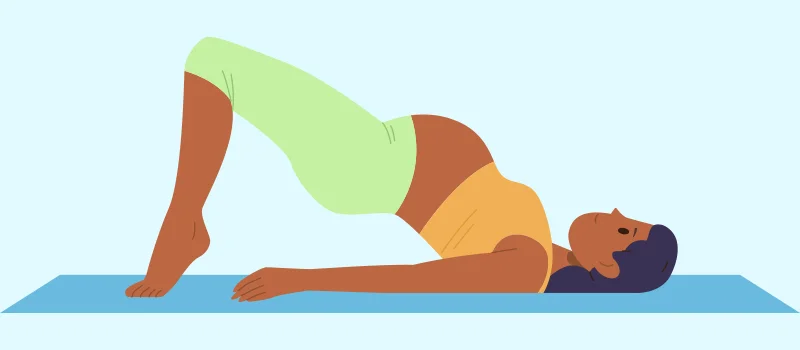
Pregnancy brings many physical and emotional changes, and one of the most important yet often overlooked areas of care is the pelvis. The pelvis plays a central role in supporting the growing baby, maintaining posture, and preparing the body for childbirth. Proper pregnancy pelvic care helps reduce discomfort, improves mobility, and supports a healthier pregnancy experience.
Understanding the Pelvic Changes During Pregnancy
During pregnancy, a woman’s body releases hormones such as relaxin and progesterone. These hormones loosen the ligaments and joints in the pelvic area to prepare for childbirth. While this is a natural process, it can also lead to instability, discomfort, or pain in the lower back, hips, and pelvic region.
As the baby grows, the extra weight increases pressure on the pelvic floor muscles. This can sometimes lead to pelvic heaviness, urinary leakage, or discomfort while walking or standing for long periods. Understanding these changes is the first step toward effective care.
Why Pregnancy Pelvic Care Is Important
Good pelvic care during pregnancy is not just about comfort—it also supports overall maternal health. Proper care helps in:
- Reducing pelvic and lower back pain
- Improving posture and balance
- Supporting bladder control
- Preparing muscles for labor and delivery
- Enhancing postpartum recovery
Ignoring pelvic discomfort can lead to worsening pain or long-term muscular imbalance after pregnancy, making early attention essential.
Safe Exercises for Pelvic Support
Exercise is one of the most effective ways to maintain pelvic health during pregnancy. However, movements should always be gentle and approved by a healthcare provider.
Pelvic Floor Exercises (Kegels)
These exercises strengthen the muscles that support the uterus, bladder, and bowel. Regular practice can improve control and reduce discomfort.
Pelvic Tilts
Pelvic tilts help relieve lower back tension and improve flexibility in the pelvic area. They can be done standing, sitting, or on hands and knees.
Prenatal Yoga
Prenatal yoga improves flexibility, strengthens core muscles, and promotes relaxation, all of which contribute to better pelvic stability.
Posture and Daily Movement Tips
Simple changes in daily habits can significantly improve pelvic comfort:
- Avoid standing for long periods without breaks
- Sit with proper lumbar support
- Keep feet slightly elevated when resting
- Use supportive footwear to reduce strain
- Avoid heavy lifting whenever possible
Maintaining good posture reduces unnecessary pressure on the pelvis and helps distribute body weight more evenly.
Managing Pelvic Pain During Pregnancy
Mild pelvic discomfort is common, but it should not be ignored if it becomes persistent or severe. Some ways to manage pain include:
- Applying warm compresses to the lower back
- Using pregnancy support belts for stability
- Gentle stretching before bedtime
- Resting on the side with a pillow between the knees
If pain becomes sharp, constant, or affects walking, medical advice should be sought immediately.
Emotional Well-being and Pelvic Health
Stress and anxiety can increase muscle tension, including in the pelvic region. Emotional well-being is therefore an important part of pregnancy pelvic care. Relaxation techniques such as deep breathing, meditation, and adequate sleep help reduce tension and improve overall comfort.
When to Seek Professional Help
It is important to consult a healthcare provider if you experience:
- Severe pelvic or hip pain
- Difficulty walking or standing
- Urinary incontinence that worsens suddenly
- Pressure that feels unusual or intense
A physiotherapist specializing in prenatal care can provide personalized exercises and treatments to support pelvic health safely.
Conclusion
Pregnancy is a transformative journey, and caring for the pelvic region is essential for comfort, mobility, and preparation for childbirth. With proper pregnancy pelvic care, including gentle exercises, good posture, and mindful rest, expectant mothers can significantly reduce discomfort and support their body through each stage of pregnancy.
