



Cusco, the ancient capital of the Incan Empire, stands as one of South America’s most historically rich and architecturally stunning cities. Recognized as a UNESCO World Heritage Site, this high-altitude metropolis seamlessly blends indigenous heritage with Spanish colonial influence, creating a living museum where every cobblestone street tells a story. A Cusco City Tour Half-Day offers the perfect introduction to this remarkable destination, efficiently showcasing the city’s most significant landmarks while providing context that enriches your entire Peruvian adventure.
The Heart of the Incan Empire
Before the Spanish conquest in 1533, Cusco served as the political, military, and cultural center of Tawantinsuyu, the Incan Empire that stretched across much of western South America. The city’s name derives from “Qosqo,” meaning “navel” or “center” in Quechua, reflecting its position as the empire’s spiritual and administrative heart. According to Incan mythology, the city was founded by Manco Cápac and Mama Ocllo, sent by the sun god Inti to establish civilization.
Today, Cusco exists as a remarkable palimpsest of history, where Incan foundations support colonial churches, and ancient temples have been transformed into Christian cathedrals. This architectural layering isn’t merely aesthetic; it represents the complex cultural synthesis that defines modern Peru and makes a city tour essential for understanding the country’s identity.
What a Half-Day Tour Encompasses
Most half-day Cusco city tours operate either in the morning (typically 8:00 AM to 1:00 PM) or afternoon (1:00 PM to 6:00 PM), with morning tours generally recommended for optimal lighting and smaller crowds. The itinerary strategically combines city-center attractions with nearby archaeological sites, providing a comprehensive overview of Cusco’s evolution from Incan capital to colonial gem to modern Andean metropolis.
Tours typically include transportation, a professional bilingual guide, and entrance fees to major sites through the Cusco Tourist Ticket (Boleto Turístico), though visitors should confirm inclusions when booking. Group sizes vary from intimate gatherings of 8-10 people to larger coach tours of 20-30 participants, with smaller groups generally offering more personalized experiences and flexibility.
Plaza de Armas: The City’s Living Heart
Nearly every Cusco city tour begins at the Plaza de Armas, the magnificent main square that has served as the city’s focal point for over a thousand years. During Incan times, this was Huacaypata, a ceremonial plaza twice its current size where religious festivals, military parades, and important state functions occurred. The Spanish reduced and redesigned the plaza, surrounding it with elegant colonial arcades that now house restaurants, travel agencies, and shops.
Two imposing churches dominate the plaza. The Cathedral Basilica of the Assumption of the Virgin, constructed between 1560 and 1654, sits on the foundations of the Incan palace of Viracocha. Its interior houses an extraordinary collection of colonial art from the Cusco School, including paintings that blend Catholic imagery with indigenous symbols. Particularly notable is the depiction of the Last Supper featuring guinea pig as the main dish, a fascinating example of cultural adaptation.
Adjacent to the cathedral stands the Church of La Compañía de Jesús, built by Jesuits on the ruins of Inca Huayna Capac’s palace. Many architectural historians consider this baroque masterpiece even more beautiful than the cathedral, with its intricately carved façade and stunning gilded altarpiece.
Qorikancha: The Temple of the Sun
No Cusco tour would be complete without visiting Qorikancha, once the most important temple in the Incan Empire. The name translates to “Golden Courtyard,” and historical accounts describe walls literally covered in gold sheets, with a magnificent golden sun disk that reflected light throughout the sacred complex. Spanish chroniclers reported that the temple complex included chambers dedicated to the moon, stars, thunder, and rainbow, each decorated with precious metals and stones.
Following the conquest, the Spanish dismantled the temple and built the Santo Domingo Church atop its foundations. However, a devastating earthquake in 1950 damaged the colonial structure while leaving the Incan stonework largely intact, revealing the superior engineering of the original builders. Today, visitors can observe the striking contrast between Spanish colonial architecture and the precisely fitted Incan stones, some weighing several tons yet joined without mortar so tightly that a knife blade cannot fit between them.
The Archaeological Sites Above Cusco
The half-day tour typically includes visits to four significant archaeological sites in the hills surrounding Cusco, each offering unique insights into Incan military, religious, and engineering prowess.
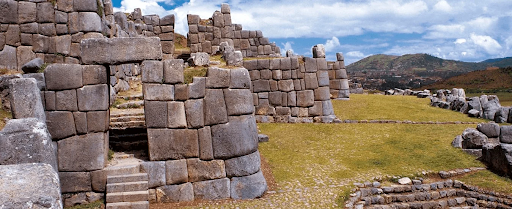
Sacsayhuamán represents perhaps the most impressive feat of Incan engineering. This massive fortress complex features enormous limestone blocks, some weighing over 100 tons, fitted together with extraordinary precision. The largest stones reach heights of nearly 9 meters, and the zigzag walls extend over 540 meters. Scholars debate whether Sacsayhuamán served primarily as a fortress, ceremonial center, or both. The site also offers spectacular panoramic views of Cusco’s red-tiled roofs spreading across the valley below.
Q’enqo, meaning “zigzag” in Quechua, is a fascinating labyrinth of carved rock channels, ceremonial platforms, and underground chambers. This huaca (sacred site) likely served religious purposes, with channels carved into the bedrock possibly used for ritual offerings of chicha (corn beer) or blood sacrifices. The site includes an underground chamber with an altar carved from solid rock, where mummification ceremonies may have occurred.
Puka Pukara, or “Red Fortress,” is a smaller military checkpoint comprising platforms, stairways, and terraces. The reddish color of its stones becomes particularly pronounced at sunset. While less imposing than Sacsayhuamán, it demonstrates the Incas’ strategic placement of installations along major routes.
Tambomachay, sometimes called “The Bath of the Inca,” showcases the civilization’s sophisticated water engineering. A series of aqueducts, canals, and cascading waterfalls flow through this site year-round, fed by natural springs. The water’s source remains mysterious, and the precision of the hydraulic system continues to impress modern engineers.
San Blas: The Artisan Quarter
Many tours include a walking exploration of San Blas, Cusco’s bohemian artisan neighborhood. This area of narrow, steep streets lined with whitewashed houses features numerous galleries, workshops, and craft markets. The neighborhood’s centerpiece is the small San Blas Church, which houses an intricately carved pulpit considered one of the finest examples of colonial woodwork in South America.
San Blas offers a more intimate perspective on Cusco’s daily life, away from the tourist bustle of the Plaza de Armas. The neighborhood has attracted artists, musicians, and craftspeople, creating a creative enclave where traditional techniques meet contemporary expression.
San Pedro Market: Authentic Local Life
Some tours incorporate a visit to San Pedro Market, Cusco’s largest and most vibrant traditional market. This sensory explosion offers insights into daily life for Cusqueños, with vendors selling everything from fresh produce and medicinal herbs to textiles and ritual items. The market provides an authentic glimpse of local commerce largely unchanged by tourism, though visitors should remain mindful of belongings in crowded areas.
Maximizing Your Half-Day Experience
To get the most from your Cusco City Tour Half-Day, consider these strategies. Book for your first or second day in Cusco the tour provides excellent orientation and helps you identify sites you might want to revisit independently. The walking portions are generally moderate, but Cusco sits at 3,400 meters (11,150 feet), so pace yourself and stay hydrated.
Ask questions throughout the tour. Knowledgeable guides can provide context and stories that bring the sites alive far beyond what you’d experience alone. Photography opportunities abound, but remember that some churches prohibit interior photos, and locals at markets may request payment before being photographed.
Consider upgrading to a private tour if traveling with family or a small group. While more expensive, private tours offer flexibility in pacing, the ability to skip sites of less interest, and opportunities for deeper engagement with your guide.
Beyond the Standard Itinerary
While half-day tours follow relatively standard routes, some operators offer variations worth considering. Culinary-focused tours might include market visits with cooking demonstrations. Photography tours time visits for optimal light and include lesser-known viewpoints. Evening tours showcase illuminated landmarks and potentially include a traditional dance performance.
Conclusion
A half-day Cusco city tour serves as an essential foundation for understanding Peru’s complex history and cultural identity. By efficiently connecting the city’s most significant sites with expert narration, these tours transform scattered landmarks into a coherent narrative of empire, conquest, and cultural resilience. Whether you’re beginning an extended exploration of the Sacred Valley and Machu Picchu or enjoying a brief stopover, this concentrated introduction to the Imperial City provides context that enriches everything that follows.
Frequently Asked Questions
Q: What is the best time of day for a Cusco city tour? A: Morning tours (8 AM-1 PM) generally offer better lighting for photography, cooler temperatures, and smaller crowds at archaeological sites. However, afternoon tours work well if you’re arriving in Cusco in the morning or prefer sleeping in after a long travel day.
Q: Is the Cusco Tourist Ticket (Boleto Turístico) included in tour prices? A: This varies by operator. Some include the partial ticket (valid for Sacsayhuamán, Q’enqo, Puka Pukara, and Tambomachay), while others require you to purchase it separately for approximately 70 soles. Always confirm what’s included when booking.
Q: How physically demanding is a half-day city tour? A: The tours involve moderate walking on cobblestone streets and some stairs, plus standing while guides explain sites. The altitude at 3,400 meters can make even gentle activity more tiring. Most people find it manageable, but those with mobility concerns should inquire about transportation between sites.
Q: Will altitude sickness affect my tour experience? A: Possibly. Symptoms like headache, fatigue, and shortness of breath are common when first arriving at Cusco’s elevation. If possible, spend at least one full day acclimatizing before taking the tour. Drink plenty of water, avoid alcohol, and consider coca tea.
Q: Can I visit these sites independently without a tour? A: Yes, all sites are accessible independently, and many travelers prefer this flexibility. However, you’ll miss the historical context and stories that knowledgeable guides provide, which significantly enriches the experience for most visitors.
Q: Are tours family-friendly? A: Absolutely. Children generally find the massive stones and fortress walls fascinating. However, keep in mind the walking requirements and altitude. Private family tours can be paced according to children’s energy levels and attention spans.
Q: What should I bring on the tour? A: Essentials include sun protection (hat, sunscreen, sunglasses), a water bottle, comfortable walking shoes, layered clothing (mornings can be cold, afternoons warm), camera, and small bills for tips or purchases. A light rain jacket is wise during wet season (November-March)
