



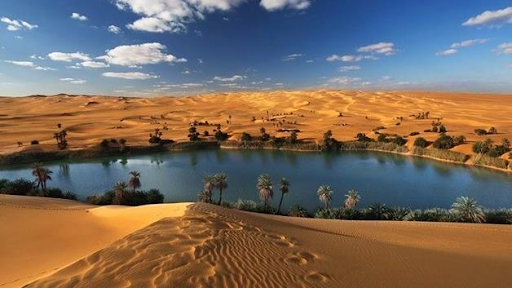
Scattered across Egypt’s vast Western Desert like emeralds on golden velvet, the country’s oases represent some of the most enchanting and historically significant destinations in North Africa. These fertile islands of life, sustained by underground aquifers and ancient springs, have served as crucial waypoints for traders, refuges for exiles, and sanctuaries for unique cultures that developed in splendid isolation from the Nile Valley civilizations. Today, egypt oasis offers travelers an alternative narrative to the pyramids and temples, one of natural hot springs, palm-fringed lakes, mud-brick fortresses, and traditions preserved across millennia.
The Geography and Formation of Egyptian Oases
The Western Desert, covering approximately two-thirds of Egypt’s land area, hosts five major oases: Siwa, Bahariya, Farafra, Dakhla, and Kharga. These verdant pockets exist because of the Nubian Sandstone Aquifer System, one of the world’s largest fossil water reserves, which supplies water through natural springs and wells that have sustained life in these remote locations for thousands of years.
Unlike the romanticized image of a single palm tree beside a small pool, Egypt’s oases are substantial settlements with cultivated lands, date palm groves, olive orchards, and permanent populations. The largest, Kharga Oasis, stretches approximately 200 kilometers in length, while even the most remote, Siwa, supports a population of around 30,000 people who have maintained their distinct Berber culture and Siwi language.
The geological processes that created these oases involved complex interactions between ancient water systems and the surrounding limestone and sandstone formations. Underground pressure forces water to the surface through fissures and porous rock layers, creating natural springs that vary in temperature from cool to intensely hot. These thermal springs have made several Egyptian oases renowned for their therapeutic properties since ancient times.
Siwa Oasis: The Jewel of Isolation
Siwa Oasis, located near Egypt’s border with Libya, remained virtually cut off from the outside world until the 1980s when a proper road was finally constructed. This isolation preserved a unique Berber culture distinct from mainstream Egyptian society. The Siwi people maintain their own language, customs, and architectural traditions that reflect centuries of autonomy.
The oasis gained fame in antiquity as the home of the Oracle of Amun, consulted by Alexander the Great in 331 BCE. The temple ruins at Aghurmi still stand, perched dramatically on a rocky outcrop overlooking palm groves and salt lakes. The ancient fortified settlement of Shali, built entirely from kershef a mixture of salt, mud, and clay rises like a melting sandcastle in the town center, its organic architecture creating a labyrinth of passages and structures that withstood centuries before heavy rains caused partial collapse in 1926.
Siwa’s salt lakes, including the famous Bir Wahed, offer extraordinary buoyancy due to their high mineral content. Floating effortlessly on these turquoise waters while surrounded by endless sand dunes creates an almost surreal experience. The oasis also produces some of Egypt’s finest dates and olives, with groves irrigated by the same spring systems that have sustained agriculture here since Pharaonic times.
Bahariya Oasis: Gateway to the Black and White Deserts
Bahariya Oasis serves as the primary launching point for expeditions into the spectacular Black Desert and White Desert, geological wonders that complement the oasis experience perfectly. The town of Bawiti, Bahariya’s main settlement, combines ancient heritage with modern tourism infrastructure, making it accessible while retaining authentic character.
Archaeological discoveries in Bahariya have yielded remarkable finds, including the Valley of the Golden Mummies, a vast necropolis containing hundreds of beautifully preserved Greco-Roman period mummies adorned with gilded masks and intricate decorations. These discoveries revealed Bahariya’s importance as a prosperous agricultural center during antiquity, supplying wine and grain to the Nile Valley.
The landscape surrounding Bahariya features distinctive black volcanic hills contrasting sharply with golden sand, while hot and cold springs dot the area. Ein el-Muffella, a popular hot spring, attracts both locals and tourists seeking the therapeutic benefits of its mineral-rich waters. The agricultural lands produce exceptional fruits, particularly apricots, which thrive in the oasis microclimate.
Farafra: The Land of White Desert Wonders
Farafra, Egypt’s smallest and most isolated oasis, offers the most pristine desert experience. The White Desert National Park, located northeast of the main settlement, showcases surreal limestone formations sculpted by wind erosion into mushrooms, chickens, camels, and abstract shapes that ignite imagination. As sunset approaches, these chalk-white formations glow pink and orange, creating one of nature’s most spectacular light shows.
The town of Qasr Farafra maintains a sleepy, traditional atmosphere where date cultivation and small-scale agriculture remain central to life. Natural hot springs, including Bir Setah, provide refreshing oases within the oasis, their warm waters particularly welcome during winter months when desert temperatures drop significantly at night.
Artist Badr Abdel Moghny’s mud-brick museum in Farafra showcases his sculptures and paintings depicting traditional oasis life, offering cultural insights into a lifestyle that remains remarkably unchanged despite modern incursions.
Dakhla and Kharga: Ancient Trading Posts
Dakhla Oasis, with its medieval Islamic town of Al-Qasr, preserves spectacular mud-brick architecture featuring covered passages, ornate wooden lintels, and beautifully decorated doorways. The town appears frozen in time, its narrow alleyways and traditional courtyard houses offering glimpses into centuries-old urban planning adapted perfectly to desert conditions.
Kharga, the largest and most developed oasis, served as a crucial stop on ancient caravan routes connecting the Nile Valley with Sudan and Libya. The Temple of Hibis, one of the best-preserved Persian-period temples in Egypt, demonstrates Kharga’s strategic and religious significance. The egypt oasis also features extensive Roman fortifications and early Christian monuments, including the remarkable Bagawat Necropolis with its painted funerary chapels.
Traditional Life and Modern Challenges
Life in Egypt’s oases revolves around careful water management and agricultural cycles perfected over millennia. Traditional irrigation systems called qanat channel water from springs through networks of underground tunnels and surface channels, minimizing evaporation in the harsh desert climate. Date palms provide the primary crop, with their fronds offering shade for vegetables, fruits, and grains grown beneath a three-tier agricultural system maximizing limited water and space.
However, modern challenges threaten these ancient ecosystems. Declining water tables due to agricultural expansion, tourism development, and climate change impact spring flows. Some traditional springs have diminished or dried completely, forcing communities to rely increasingly on deep wells that tap non-renewable fossil water reserves.
The Oasis Experience
Visiting Egypt’s oases requires different preparations than typical Nile Valley tourism. Accommodations range from eco-lodges and boutique desert camps to basic guesthouses, with hospitality reflecting traditional Bedouin generosity. The cuisine features oasis-grown dates, olives, and vegetables prepared using time-honored methods.
Activities include hot spring bathing, dune sandboarding, camel trekking, stargazing in pollution-free skies, and exploring archaeological sites that receive a fraction of the crowds found at mainstream Egyptian attractions. The slower pace and authentic cultural interactions provide deeper connections with local communities and their heritage.
Conclusion: Frequently Asked Questions
What is the best time to visit Egypt’s oases? October through April offers the most comfortable temperatures, with winter months (December-February) ideal for avoiding extreme heat. Summer temperatures can exceed 45°C (113°F), making travel challenging.
How do I reach Egypt’s oases? Bahariya, Dakhla, and Kharga are accessible by bus or private vehicle from Cairo or Luxor. Siwa requires a longer journey from Alexandria or Marsa Matrouh. Organized tours provide the most convenient option, especially for visiting multiple oases.
Are Egypt’s oases safe for tourists? Yes, the oases are generally very safe with welcoming communities accustomed to tourism. Standard travel precautions apply, and traveling with reputable guides enhances both safety and experience quality.
What should I pack for an oasis trip? Lightweight, modest clothing respecting local customs, sun protection (hat, sunscreen, sunglasses), comfortable walking shoes, layers for cool evenings, and any personal medications. Bring cash, as ATMs are limited outside major settlements.
Can I swim in the oasis springs? Many springs welcome swimmers, though some are designated for drinking water or irrigation. Ask locally about appropriate swimming locations, and respect any areas reserved for specific uses or gender-segregated bathing times.
