



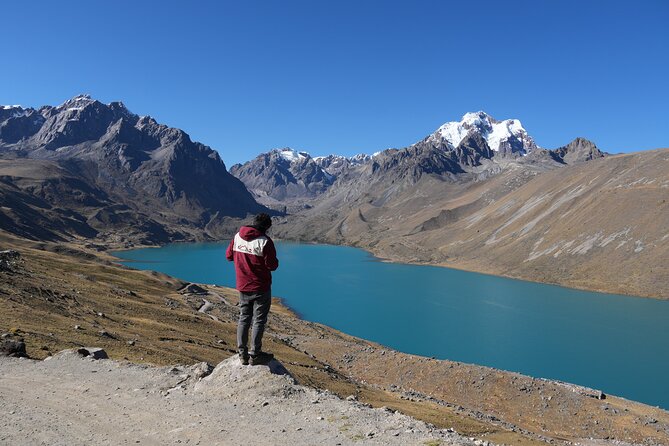
Nestled high in the Peruvian Andes, Singrenacocha Lake is a remarkable yet lesser-known natural wonder that reflects the raw beauty and cultural richness of the region. Surrounded by rugged mountains, expansive grasslands, and crisp alpine air, this lake offers a peaceful escape from crowded tourist routes while showcasing the ecological and historical importance of Peru’s highland landscapes.
Geographic Location and Setting
Singrenacocha Lake is located in the Cusco region of Peru, an area globally recognized for its dramatic topography and deep-rooted Indigenous heritage. Sitting at a high elevation typical of Andean lakes, Singrenacocha is part of a network of glacial and rain-fed water bodies that sustain local ecosystems and communities. The lake’s remote position contributes to its pristine condition, making it a valuable natural resource and a place of quiet beauty.
The surrounding environment is characterized by rolling puna grasslands, rocky slopes, and distant snowcapped peaks. These features not only shape the lake’s appearance but also influence its climate, which is cool year-round with strong sunlight during the day and cold nights.
Ecological Importance of Singrenacocha Lake
Singrenacocha Lake plays a vital role in the local ecosystem. High-altitude lakes like this one act as natural reservoirs, storing water that feeds streams and rivers downstream. This water supports agriculture, livestock, and wildlife across nearby valleys.
The lake and its wetlands are home to a variety of Andean bird species, including waterfowl that rely on these calm waters for nesting and feeding. Native grasses and aquatic plants help stabilize the shoreline and maintain water quality. Because the ecosystem is sensitive, even small environmental changes can have significant effects, making conservation efforts especially important.
Cultural and Historical Significance
For centuries, lakes in the Andes have held spiritual meaning for Indigenous communities. Singrenacocha Lake is no exception. In traditional Andean belief systems, lakes are often viewed as sacred places connected to nature spirits, or apus, that protect the land and people.
Local oral histories suggest that Singrenacocha has long been respected as a life-giving source of water and balance. While it may not be as famous as other sacred sites in Peru, the lake remains part of the cultural landscape, reminding visitors of the deep connection between nature and tradition in the Andes.
Climate and Seasonal Changes
The climate around Singrenacocha Lake is shaped by its altitude. Days can be sunny but cool, while temperatures drop sharply at night. The dry season generally offers clearer skies and easier access, while the rainy season transforms the surrounding terrain into a lush green landscape.
Seasonal changes also affect the lake’s water levels and color. During wetter months, Singrenacocha Lake may appear fuller and darker, reflecting stormy skies. In drier periods, the water becomes calmer, often mirroring the mountains with striking clarity.
Accessibility and Responsible Tourism
Reaching Singrenacocha Lake typically requires travel through rural areas, often on unpaved roads or hiking routes. This limited accessibility has helped preserve the lake’s natural state, but it also means visitors must plan carefully and travel responsibly.
Eco-conscious tourism is essential in places like Singrenacocha. Visitors are encouraged to minimize waste, respect local customs, and avoid disturbing wildlife. Responsible travel ensures that the lake remains untouched for future generations while providing economic opportunities for nearby communities.
Scientific and Environmental Research
High-altitude lakes such as Singrenacocha Lake are increasingly important for scientific research. They serve as natural indicators of climate change, as shifts in temperature and precipitation patterns can be observed through changes in water levels, biodiversity, and sediment layers.
Researchers studying Andean hydrology and ecology gain valuable insights from lakes like Singrenacocha. These studies help inform conservation strategies and water management policies, especially as climate variability continues to affect mountain regions worldwide.
The Aesthetic Appeal of Singrenacocha Lake
One of the most striking features of Singrenacocha Lake is its visual serenity. The stillness of the water, combined with the vast openness of the surrounding highlands, creates a sense of isolation and peace that is increasingly rare.
Photographers and nature enthusiasts are drawn to the lake’s changing colors, from deep blues to silvery grays, depending on light and weather. The simplicity of the landscape allows visitors to appreciate nature without distractions, making Singrenacocha Lake an ideal destination for reflection and inspiration.
Conservation Challenges and Future Outlook
Despite its remote location, Singrenacocha Lake faces potential threats, including climate change, overgrazing, and unregulated development. Protecting such ecosystems requires cooperation between local communities, government agencies, and conservation organizations.
Raising awareness about the importance of Singrenacocha Lake is a key step toward ensuring its preservation. Sustainable land-use practices and environmental education can help maintain the delicate balance that keeps the lake healthy.
Conclusion
Singrenacocha Lake stands as a quiet testament to the natural beauty and cultural depth of the Peruvian Andes. Though less famous than other destinations in the region, its ecological value, spiritual significance, and scenic appeal make it an essential part of Peru’s natural heritage.
By respecting and protecting Singrenacocha Lake, we help preserve not only a remarkable landscape but also the traditions, wildlife, and water systems that depend on it. For those seeking an authentic connection with nature, Singrenacocha Lake offers a powerful reminder of the harmony that exists between land, water, and cultur
