



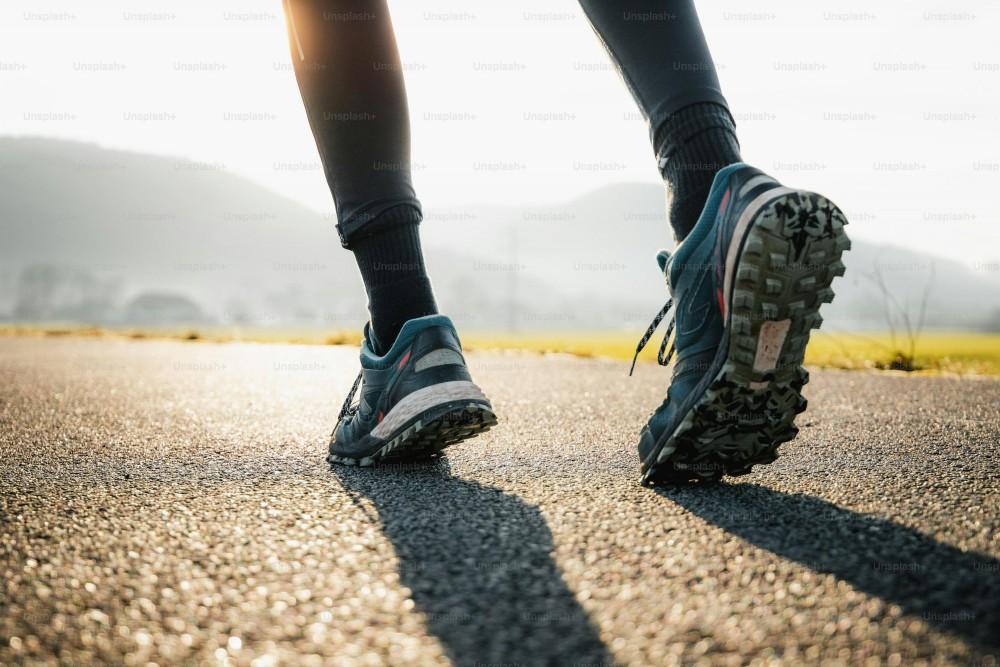
In the modern industrial and tactical landscape, the distinction between “standard” and “professional-grade” equipment is often measured by the longevity of the user’s physical health. For professionals who spend upwards of twelve hours a day on their feet—ranging from law enforcement officers to construction site managers—the choice of footwear is a foundational health decision. When selecting bates boots for men, for instance, the wearer isn’t just buying a uniform requirement; they are investing in advanced kinetic engineering. These boots are designed to mitigate the cumulative impact of thousands of daily steps on hard surfaces, utilizing multi-density midsoles and targeted arch support to prevent the chronic lower back and joint pain that often plagues the 25–55 demographic. By prioritizing a “fit-first” philosophy, professionals can ensure that their gear empowers their mobility rather than compromising it.
The Anatomy of High-Performance Support
To understand the value of professional footwear, one must look beneath the surface. A boot’s ability to protect the wearer is determined by the synergy of three specific structural layers:
1. The Outsole: Friction and Stability
Tactical and work outsoles are engineered with specific rubber compounds that maintain a high coefficient of friction across varied surfaces. Whether transitioning from wet tile to loose gravel, the lug patterns are designed to “self-clean” debris, ensuring consistent contact with the ground and reducing the risk of slip-and-fall injuries.
2. The Midsole: The Shock Absorber
This is the “engine” of the boot. Utilizing materials like EVA (Ethylene Vinyl Acetate) or specialized polyurethane, the midsole absorbs the energy of a heel strike. In professional-grade boots, this layer is designed to resist “compression set,” meaning the cushioning won’t collapse after a few months of heavy use, maintaining its protective qualities for the life of the boot.
3. The Upper: Durability and Breathability
Modern materials have moved beyond heavy, unyielding leathers. The integration of high-denier nylon and breathable membranes allows for a “lightweight tactical” feel. This reduction in weight is critical; saving just a few ounces on each foot can reduce the wearer’s metabolic energy expenditure by up to 5% over the course of a long shift.
Precision Fit: The Solution to Long-Term Foot Health
A significant percentage of foot ailments—including bunions, hammertoes, and plantar fasciitis—are exacerbated by ill-fitting footwear. Professional boots offer specialized “lasts” (the mold around which the boot is built) that accommodate the natural splay of the toes under a heavy load.
- Heel Lockdown: A proper professional boot ensures the heel stays firmly in place, preventing the friction that causes blisters and the instability that leads to ankle rolls.
- Volume Control: High-quality boots often feature adjustable lacing systems or elasticized pull-on gussets that maintain a snug fit even as the foot naturally swells during a long day of standing.
Versatility for the Modern Lifestyle
While these boots are designed for the rigors of the workplace, their utility extends far beyond the job site. Men and women focused on an active lifestyle are increasingly adopting tactical-grade footwear for hiking, rucking, and outdoor sports. The same features that make a boot reliable for a first responder—waterproofing, ankle stability, and lightweight construction—make it an ideal companion for a rugged mountain trail. This “cross-over” appeal ensures that the investment in high-quality footwear provides value across all aspects of the user’s life.
Maintenance: Protecting Your Investment
Even the best-engineered boots require maintenance to retain their structural integrity. Professionals recommend a three-step approach:
- Regular Cleaning: Brushing away dirt prevents it from acting as an abrasive on the stitching.
- Periodic Conditioning: Keeping leather components supple avoids the cracking that leads to waterproof failure.
- Rotation: Allowing a boot to fully “rest” and dry for 24 hours between uses extends the life of the internal cushioning significantly.
Conclusion: Trusting the Foundation
Success in any demanding field is built from the ground up. In 2026, the boundary between “work gear” and “athletic gear” has blurred, resulting in footwear that is faster, lighter, and more resilient than ever before. When performance is the priority, settle for nothing less than equipment that meets the highest standards of safety and comfort.
Finding the perfect balance between durability and agility requires sourcing from a partner dedicated to the needs of the modern professional. For an expert-curated selection of the world’s leading tactical and work footwear, look no further than the collection at BootsPlusMore. Their commitment to premium name brands and industry-specific expertise ensures that whether you are on a city patrol or a weekend trek, your foundation remains unshakable. When you invest in your feet, you are investing in your future performance.
