



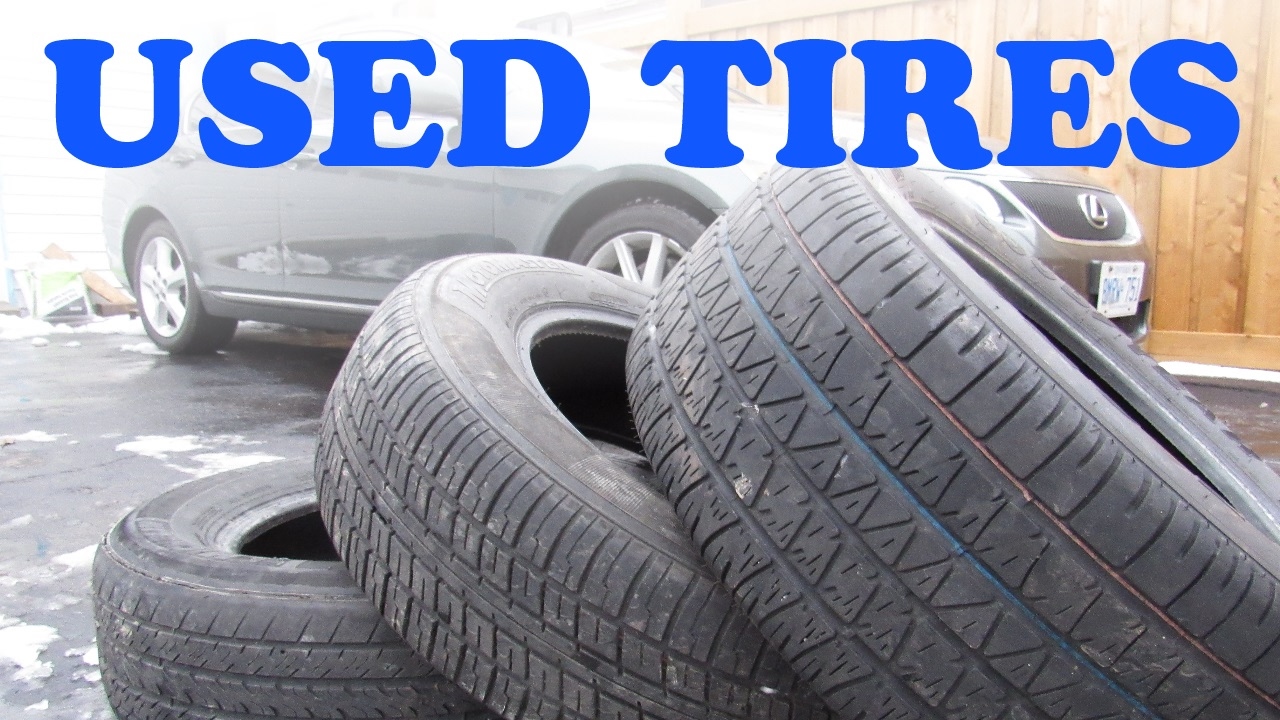
When it comes to racing, tires can make or break your performance on the track. Many enthusiasts and professional racers often look for cost-effective options, which leads them to consider used race tires for sale. While buying pre-owned tires can save money, it comes with risks. Unfortunately, many buyers make mistakes that cost them in terms of safety, performance, and overall value. Understanding these pitfalls is crucial for anyone looking to get the best out of their racing experience without compromising safety or handling.
In this guide, we’ll explore the most common mistakes people make when buying used race tires for sale and how to avoid them. From misjudging tire life to ignoring compatibility issues, we’ll cover everything you need to know to make a smart purchase.
Key Highlights
- Check tire history and usage: Not all used race tires are created equal. Knowing the tire’s track record can save you from costly mistakes.
- Inspect for wear and damage: Look beyond the surface—cuts, bulges, and uneven wear can be hidden dangers.
- Verify compatibility: Tires must match your car’s specifications, including size, tread pattern, and compound.
- Understand tire aging: Even if the tread looks good, old tires may have degraded rubber.
- Avoid price traps: Cheap isn’t always a bargain. Balance cost with quality and safety.
Mistake 1: Focusing Only on Price
One of the biggest mistakes when buying used race tires for sale is prioritizing price over quality. Many buyers are drawn to low-cost options without considering the tire’s condition, usage history, or remaining lifespan. While it’s natural to seek savings, a cheap tire that fails mid-race can cost you far more than a slightly more expensive but reliable option.
When evaluating price, consider the tire’s performance potential. Tires that have seen multiple races, especially high-speed or endurance events, may have significant wear that isn’t immediately visible. Always ask the seller for detailed information about the tire’s usage history and inspect it thoroughly before buying.
Mistake 2: Ignoring Tire Age
Tires degrade over time, regardless of use. The rubber compounds in racing tires break down, losing grip and flexibility. Many buyers make the mistake of buying older tires simply because they look unused or lightly worn. Even if a used tire appears pristine, its performance can be compromised if it’s several years old.
A good practice is to check the DOT code on the tire sidewall, which indicates its manufacture date. For most racing tires, it’s recommended to avoid tires older than three to four years. Age-related degradation is especially critical in high-performance racing scenarios where grip and handling are non-negotiable.
Mistake 3: Overlooking Tire Compatibility
Tires are not one-size-fits-all, especially in racing. Different cars and racing classes require specific sizes, tread patterns, and compounds. A common mistake buyers make is assuming any used race tire will work for their vehicle.
Before purchasing, check your car’s specifications and ensure the tire’s size and rating match. Using incompatible tires can result in poor handling, uneven wear, or even dangerous blowouts at high speeds. Additionally, pay attention to compound and tread pattern—soft compounds may wear quickly on heavier vehicles, while harder compounds might not provide the necessary grip for high-performance cars.
Mistake 4: Not Inspecting for Hidden Damage
While a quick visual check may seem sufficient, used race tires can have hidden damage that compromises safety. Cuts, punctures, sidewall bulges, or internal cord damage are not always visible at first glance.
Buyers often skip thorough inspections due to impatience or inexperience, only to discover issues during practice or a race. To avoid this, inspect the tire carefully, feeling for inconsistencies and checking both the inner and outer surfaces. If possible, have a professional tire technician evaluate the tires before purchase. This small step can prevent costly accidents and poor performance.
Mistake 5: Misjudging Tire Wear
Understanding tread wear is essential for assessing the remaining lifespan of used race tires. Many buyers focus only on the visual tread depth, overlooking other factors such as uneven wear, cupping, or flat spots.
Uneven wear may indicate previous alignment or suspension issues, which can affect tire performance even after replacement. Flat spots caused by heavy braking or skidding reduce grip and can cause vibrations at high speeds. Always consider the tire’s overall wear pattern, not just the depth, before making a purchase.
Mistake 6: Forgetting About Storage Conditions
Tires are sensitive to storage conditions. Exposure to heat, sunlight, and moisture can degrade rubber compounds over time. A common mistake when buying used race tires for sale is neglecting to ask about how they were stored.
Improperly stored tires may develop cracks, dry rot, or other hidden damage. Ideally, tires should be stored in a cool, dry, and dark environment, away from direct sunlight and chemicals. Ask the seller about storage conditions, and if possible, inspect the tires yourself.
Mistake 7: Not Considering Tire History
Every tire has a story. A tire used in multiple races, on rough tracks, or under extreme conditions will have experienced stress that affects performance. Some buyers make the mistake of ignoring tire history, relying solely on appearance or tread depth.
Ask sellers for as much information as possible:
- How many events the tire was used in
- The type of tracks or surfaces it was on
- Whether it has ever been repaired
This information can help you determine whether the tire is worth the investment.
Mistake 8: Skipping Professional Advice
Many enthusiasts purchase used race tires without consulting experts. This can lead to buying tires that are unsuitable for their vehicle, racing conditions, or skill level. Professional advice can help you:
- Understand tire compounds and their grip characteristics
- Choose tires that match your driving style and track conditions
- Avoid safety hazards and improve overall performance
Visiting a trusted tire shop or consulting experienced racers can save money and ensure a better racing experience.
Mistake 9: Focusing Solely on Visual Appeal
It’s easy to be tempted by tires that look brand-new or polished, but visual appeal can be deceiving. Tires may look excellent on the outside while hiding serious structural issues.
Focus on the technical aspects: tread depth, wear patterns, age, and manufacturer specifications. Remember, a tire that looks great but performs poorly is a wasted investment.
Mistake 10: Underestimating the Importance of Matching Sets
Finally, buying single used race tires instead of a full set is a common mistake. Mismatched tires can create uneven grip, instability, and unpredictable handling—especially in high-speed corners.
Whenever possible, buy tires in sets that match in brand, compound, and wear level. Consistency across all four tires ensures better handling and safety on the track.
Conclusion
Buying used race tires for sale can be a smart way to save money and access high-performance tires, but only if done carefully. The most common mistakes—focusing on price, ignoring age, skipping inspections, neglecting compatibility, and overlooking tire history—can compromise both safety and performance. By understanding these pitfalls and following best practices, you can make informed purchases that maximize value while keeping you safe on the track.
When in doubt, consult professionals, inspect tires thoroughly, and prioritize quality over bargain prices. Your tires are one of the most critical components of your racing experience, so invest wisely.
FAQs About Used Race Tires for Sale
Q1: Are used race tires safe to use?
Yes, if they are properly inspected, compatible with your vehicle, and have no hidden damage. Safety depends on the tire’s age, wear, and storage history.
Q2: How long do used race tires last?
Lifespan depends on previous use and storage, but typically, racing tires should be replaced every 1–3 seasons. Always check tread depth and rubber condition.
Q3: Can I mix used and new race tires?
Mixing tires is not recommended, as it can create uneven grip and unpredictable handling. Always use matched sets for safety and performance.
Q4: How can I verify a used tire’s history?
Ask the seller for detailed information about past usage, racing events, and storage conditions. Professional inspection is also advised.
Q5: Is it cheaper to buy used race tires?
Yes, buying used tires can save money, but only if you consider quality, safety, and performance. A poorly chosen used tire can cost more in the long run.
