



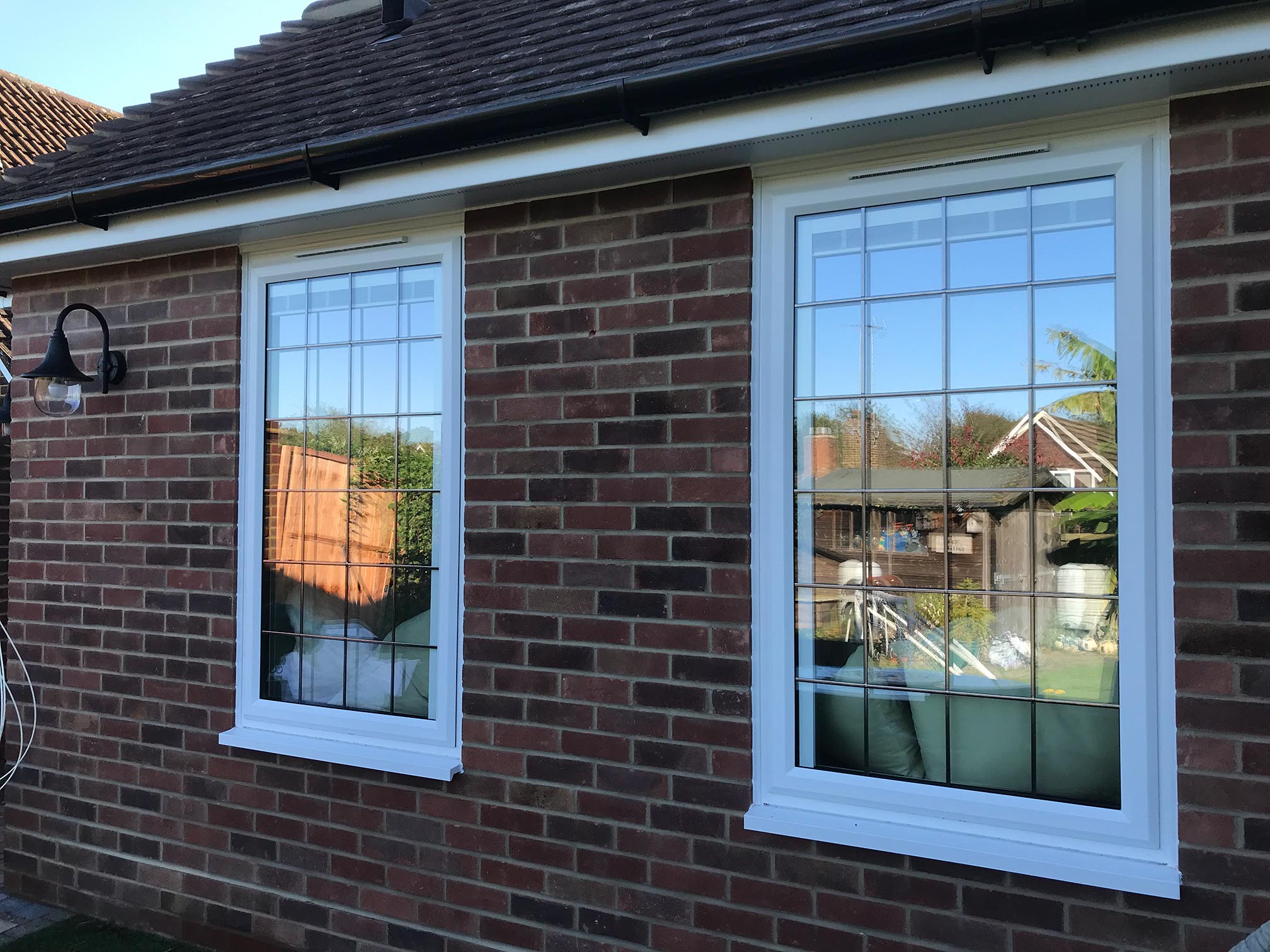
Choosing new windows is about more than selecting a colour or opening style. The frame material can influence your home’s appearance, energy efficiency, maintenance requirements, durability, security, and overall replacement cost. For homeowners in Sussex, two of the most popular modern options are uPVC and aluminium.
Contents
ToggleBoth materials have developed considerably, and modern versions can provide strong thermal performance when paired with suitable glazing. However, they offer different advantages. uPVC is generally associated with affordability and insulation, while aluminium is valued for its strength, slim profiles, and contemporary appearance.
So, which one is more suitable for your Sussex property? The answer depends on the building, your priorities, the size of the window openings, and your budget.
Understanding uPVC Windows
uPVC, or unplasticised polyvinyl chloride, has become one of the most widely used window-frame materials in UK homes. Its popularity comes from a combination of relatively low cost, good insulation, weather resistance, and low maintenance.
Modern uPVC frames usually contain multiple internal chambers that help reduce heat transfer. When combined with quality double or triple glazing, they can provide strong thermal performance and help create a more comfortable indoor environment.
For many homeowners replacing conventional domestic windows, uPVC provides a practical all-round solution.
Why Sussex Homeowners May Choose uPVC
One of the biggest attractions of uPVC is its relatively accessible price. Current UK cost comparisons generally show uPVC windows costing less than comparable aluminium alternatives, although the final price varies considerably according to size, glazing, design, colour, and installation requirements.
uPVC also requires little routine maintenance. Unlike traditional timber, it does not require regular painting to protect the frame from moisture. A simple cleaning routine can help keep the frames looking presentable for many years.
Another benefit is versatility. uPVC windows are available in numerous styles, including casement, flush casement, tilt-and-turn, and sash-inspired designs. This makes it possible to find options suitable for both contemporary and more traditional Sussex properties.
The Case for Aluminium Windows
Aluminium offers a different set of characteristics. The material is considerably stronger than uPVC, allowing manufacturers to create slimmer frames while maintaining structural strength. This can be particularly useful for larger windows, wide openings, and properties where homeowners want more visible glass and less frame.
The slim appearance can give a home a clean and contemporary character. Aluminium is also available in a broad range of colours and finishes, making it easier to coordinate the windows with modern architectural designs.
Although aluminium normally has a higher initial purchase price, its durability can make it attractive to homeowners who are looking for a long-term window solution. Modern aluminium systems can also incorporate thermal breaks to significantly improve their insulation compared with older aluminium windows.
uPVC vs Aluminium: Thermal Performance
Thermal efficiency is an important consideration when replacing windows.
uPVC has naturally low thermal conductivity, which means the frame itself is inherently useful for reducing heat transfer. Aluminium, by contrast, conducts heat much more readily, so modern aluminium windows rely on a thermal break—an insulating section between parts of the aluminium frame—to improve energy performance.
With modern thermally broken designs and appropriate glazing, aluminium can provide thermal performance comparable to good-quality uPVC windows. This means homeowners should not judge efficiency solely by the frame material. The glazing specification, frame design, spacers, seals, and installation quality all matter.
When comparing quotations, ask for the whole-window U-value rather than looking only at the centre-pane glass specification.
Which Material Is More Durable?
Aluminium generally has the advantage when structural strength and long-term durability are major priorities. Its strength allows it to handle larger glazed areas without requiring the thicker profiles often associated with uPVC.
Quality uPVC windows can also provide many years of reliable service, but their expected lifespan is generally shorter than that of well-maintained aluminium systems. Published UK comparisons commonly place uPVC in the broad 20–35-year range, while aluminium systems can potentially remain serviceable for several decades longer, depending on product quality, exposure, installation, and maintenance.
For homeowners planning to remain in their property for many years, this difference may be worth considering alongside the initial purchase price.
Appearance and Architectural Style
The appearance of your windows can have a surprisingly large effect on the character of a house.
uPVC frames tend to be more substantial in appearance. Modern flush-frame and coloured options have improved considerably, meaning they can work well in many traditional and contemporary homes.
Aluminium provides slimmer sightlines and larger areas of glass. This can be particularly appealing for modern extensions, open-plan living spaces, large rear elevations, and homes where maximising natural light is important.
In Sussex, property styles vary considerably, so it is worth considering whether your chosen window design complements the architecture rather than simply choosing the material based on its popularity.
Maintenance Requirements
Both materials are relatively low maintenance compared with traditional painted timber.
uPVC generally requires routine cleaning and occasional attention to hinges, handles, seals, and locking mechanisms. Aluminium similarly requires cleaning and periodic checking of hardware and seals.
The finish and installation quality are important for both materials. A well-made window that has been correctly installed can generally provide much better long-term performance than a poorly specified product, regardless of whether the frame is uPVC or aluminium.
Security Considerations
Security should also form part of the decision. Aluminium’s structural strength can be beneficial, particularly for larger openings, while modern uPVC systems can incorporate reinforcement and sophisticated multi-point locking systems.
Rather than assuming one material is automatically more secure, homeowners should examine the complete window system. Look at the locking mechanism, frame construction, hardware, glazing specification, and relevant security certification.
Professional installation is equally important because even a high-quality window can perform poorly if it is incorrectly fitted.
Which Is More Cost-Effective?
For many homeowners, the initial budget is an important factor.
uPVC generally has the lower upfront cost, making it attractive when replacing several windows at once. Aluminium normally requires a larger initial investment, particularly when choosing premium colours, large glazed areas, or bespoke designs.
However, price should not be the only consideration. Think about expected lifespan, maintenance, energy performance, aesthetics, and how well the windows suit your property.
A cheaper window that needs replacing sooner may not necessarily represent the best long-term value, while an expensive aluminium system may be unnecessary for a straightforward window replacement project.
What About Sussex’s Coastal Properties?
Some Sussex homes are exposed to coastal conditions, including increased moisture and salt-laden air. If your property is close to the coast, the specification of the window system becomes particularly important.
For aluminium installations in exposed coastal environments, ask whether the proposed finish is appropriate for the location. Specialist coatings or marine-suitable specifications may be relevant depending on the property’s exposure.
This is another reason why window selection should be based on the actual property rather than choosing a material simply because it is fashionable.
Choosing Between uPVC and Aluminium
There is no universal answer for every Sussex home.
uPVC may be worth considering if you:
- Have a defined replacement budget.
- Want good thermal insulation at a competitive price.
- Are replacing standard-sized domestic windows.
- Prefer a low-maintenance material.
- Want a wide selection of practical window styles.
Aluminium may be worth considering if you:
- Want slimmer window frames.
- Prefer a modern architectural appearance.
- Have large window openings.
- Want to maximise the amount of visible glass.
- Value long-term structural durability.
- Want extensive colour and finish choices.
The final decision should take into account the age and character of the property, the size of the openings, your glazing requirements, and your long-term plans for the home.
Getting Professional Advice Before Replacing Your Windows
Before committing to a particular frame material, obtain a detailed assessment of your existing windows and discuss the available options with an experienced installer. Ask about whole-window thermal performance, glazing, security, guarantees, expected maintenance, installation standards, and the suitability of the proposed system for your property.
For Sussex homeowners comparing different window materials, Safe Homes Windows Sussex Ltd can be included as a point of consideration when researching window replacement options and discussing the specifications that may suit a particular property.
Final Thoughts
Both uPVC and aluminium windows can be excellent choices for a Sussex home. uPVC offers a combination of affordability, insulation, versatility, and low maintenance, while aluminium provides strength, slimmer profiles, large glazing possibilities, and long-term durability.
Instead of asking which material is universally better, consider which characteristics matter most for your home. A standard family house may benefit from the practicality of uPVC, while a contemporary extension or property with large openings may make better use of aluminium.
The most important factors are ultimately the quality of the window, glazing specification, installation, security features, and suitability for the property. Making the decision based on these factors can help you achieve windows that look right, perform well, and remain useful for many years.
