



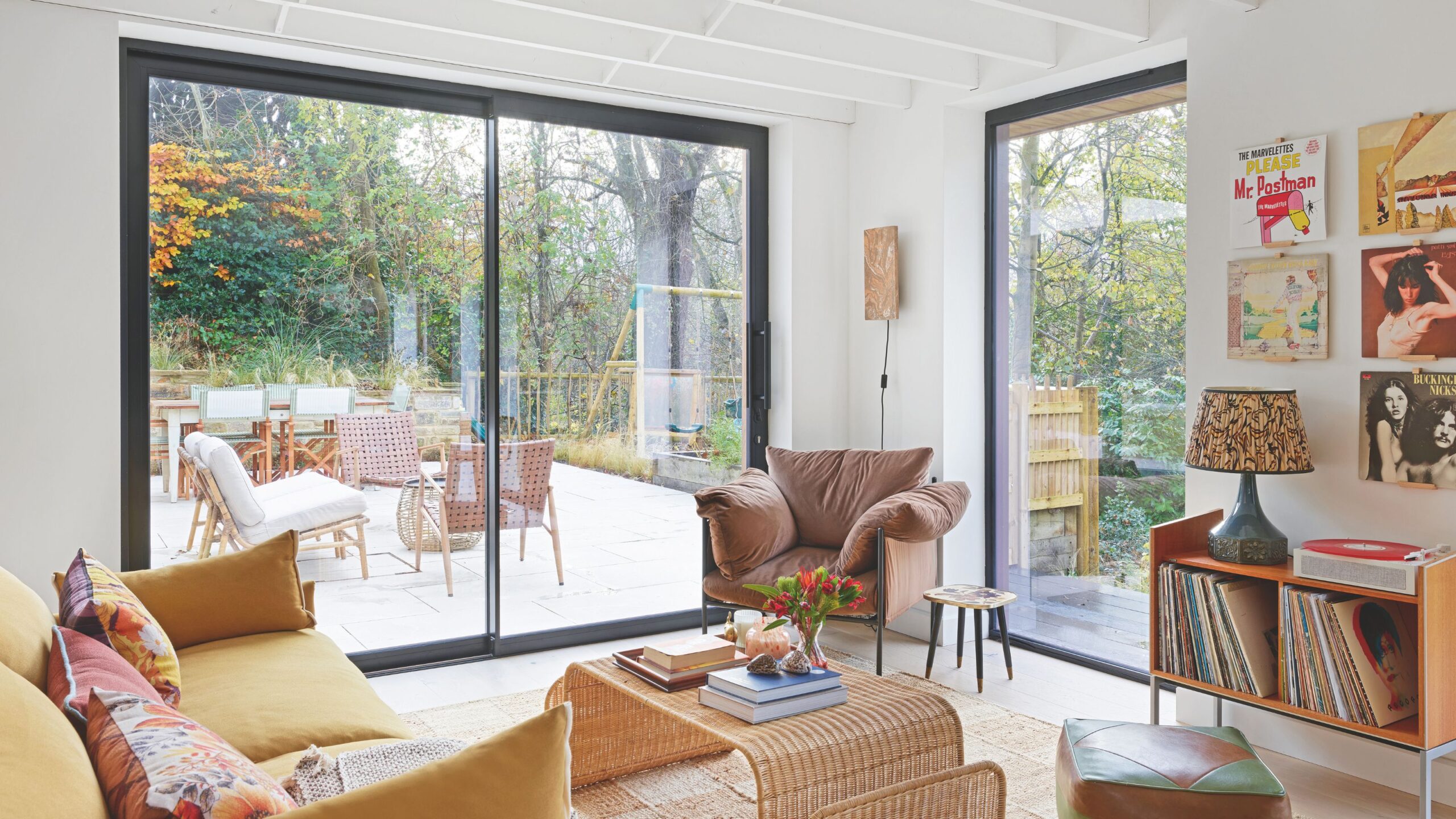
Choosing the right interior doors can make a significant difference in how your home looks, feels, and functions. Doors are more than simple room dividers. They influence privacy, natural light, accessibility, and the overall use of available space. For homeowners in New Jersey, where properties range from compact apartments and townhouses to spacious suburban homes, selecting a practical door style is especially important.
Two popular options are bifold doors and sliding doors. Both offer space-saving advantages compared with traditional hinged doors, but they work differently and create distinct visual effects. Understanding their features, benefits, limitations, and ideal applications can help you make a confident decision.
If you are exploring Interior doors New Jersey, comparing bifold and sliding designs is an excellent starting point. The best option depends on your room layout, available wall space, design preferences, and everyday needs.
Understanding Bifold Doors
Bifold doors consist of two or more panels connected by hinges. When opened, the panels fold against one another and move toward one side of the doorway. Depending on the design, they may operate using a top track, bottom guide, or a combination of supporting hardware.
These doors are commonly installed in closets, laundry areas, pantries, and storage spaces. Their folding mechanism allows homeowners to access a relatively wide opening without requiring the large swinging clearance of a traditional door.
Modern bifold doors are available in different materials, finishes, and configurations. Homeowners can choose from painted wood, engineered wood, aluminum, glass, and other contemporary materials to complement their interiors.
Understanding Sliding Doors
Sliding doors operate by moving horizontally along a track. Instead of folding or swinging outward, one panel slides behind or alongside another panel. This design makes them particularly useful in rooms where floor space is limited.
Interior sliding doors are commonly used for bedrooms, bathrooms, closets, home offices, and spaces that connect different areas of a home. They are available in traditional bypass styles, modern glass configurations, and pocket door designs that slide directly into a wall cavity.
For New Jersey homeowners interested in contemporary interiors, sliding doors offer a clean and streamlined appearance. Glass panels can also help maintain visual connections between rooms while providing separation when needed.
Bifold vs. Sliding Doors: What Are the Main Differences?
Although both styles help maximize usable space, their operating mechanisms and practical applications are different.
Bifold doors fold into sections when opened, making much of the doorway accessible at once. Sliding doors move horizontally, meaning one panel generally remains in front of or behind another. As a result, sliding designs may provide only partial access to the opening unless a specialized configuration is selected.
Bifold doors require enough clearance for their folded panels, while sliding doors need sufficient wall space or a suitable pocket inside the wall. These differences can influence which option works best in a particular room.
Another important distinction is appearance. Bifold doors often provide a functional, traditional, or transitional look, depending on their design. Sliding doors generally create a more minimal and contemporary appearance.
Space Efficiency: Which Door Saves More Room?
Space efficiency is one of the biggest reasons homeowners consider these two door styles.
Traditional hinged doors need room to swing open, which can interfere with furniture placement, walking paths, and nearby fixtures. Bifold and sliding doors reduce this problem by eliminating the need for a wide swinging arc.
Bifold doors are especially useful in closets and storage areas because they fold neatly to one side. They provide relatively wide access without requiring a large amount of surrounding floor space.
Sliding doors are also excellent for smaller rooms because their panels move along a track instead of projecting into the room. However, homeowners must consider the wall area required for the panels to move.
For a narrow bedroom or compact apartment, a sliding door may be the more practical choice. For a closet where convenient access to stored belongings is important, a bifold door may offer greater functionality.
Accessibility and Everyday Convenience
The way a door operates can affect how comfortable it is to use every day.
Bifold doors provide a wide opening when fully folded, making it easier to reach items inside closets, pantries, and storage areas. However, the folding panels and multiple hinges require occasional adjustment and maintenance.
Sliding doors are generally straightforward to operate when properly installed. Their horizontal movement makes them convenient in areas where swinging or folding panels could interfere with movement.
The quality of the track, rollers, handles, and installation plays an important role in everyday performance. A poorly installed sliding door may become difficult to move, while a bifold door with misaligned hardware may not fold smoothly.
Homeowners should consider who will use the door and how frequently it will be opened before choosing a design.
Design and Appearance: Matching Your Home’s Interior
Interior doors contribute significantly to the overall appearance of a home. The right design can complement flooring, wall colors, furniture, cabinetry, and architectural details.
Bifold doors are available in traditional panel designs, contemporary flat surfaces, and decorative finishes. They can blend naturally into classic New Jersey homes, particularly when matched with existing trim and interior woodwork.
Sliding doors offer more flexibility for creating modern design features. Frosted glass panels, clear glass, wood finishes, and minimalist frames can give a room a stylish appearance without making the space feel crowded.
For homeowners renovating older properties, the choice should also consider the home’s existing architectural character. A traditional bifold design may complement a classic interior, while a sleek sliding door can introduce a contemporary touch.
Privacy and Noise Control
Privacy is another important consideration when comparing bifold and sliding doors.
Solid-core bifold doors can provide better sound reduction and privacy than lightweight hollow-core alternatives. However, their multiple joints and perimeter gaps may allow some sound to pass through.
Sliding doors can also offer good privacy when constructed from solid materials and installed with appropriate seals. However, many standard sliding designs have small gaps around the panels, which can reduce sound insulation.
Glass sliding doors are attractive for living areas, home offices, and spaces where natural light is important. Nevertheless, transparent glass is not suitable for every room. Frosted or textured glass can provide visual privacy while still allowing light to pass through.
For bedrooms, bathrooms, and other private spaces, homeowners should prioritize solid construction, secure latching, and a well-fitted frame.
Material Options for Bifold and Sliding Doors
Material selection affects durability, appearance, maintenance, and overall performance.
Wood and Engineered Wood
Wood doors offer a warm and timeless appearance. They can be painted, stained, or finished to complement different interior styles. Engineered wood options can provide consistent construction and a variety of decorative finishes.
These materials work well for both bifold and sliding doors, particularly in bedrooms, closets, and living areas.
Glass
Glass is a popular choice for contemporary sliding doors. It helps maintain natural light and creates a more open visual environment.
Frosted, textured, and decorative glass options offer different levels of privacy. Safety glazing should be considered where required by the door’s location and applicable building codes.
Aluminum
Aluminum frames are commonly used in modern sliding door systems. They offer a lightweight appearance, durability, and a clean architectural finish.
They can work particularly well in contemporary interiors, especially when paired with glass panels.
MDF and Composite Materials
MDF and composite doors are available in various styles and finishes. They can be practical options for homeowners looking for a consistent appearance and a range of design possibilities.
Their suitability depends on construction quality, moisture exposure, and the manufacturer’s specifications.
Where Should You Install Bifold Doors?
Bifold doors are particularly useful in locations where homeowners need convenient access to storage or a wider opening.
Closets: Bifold doors allow homeowners to access a large portion of a closet opening without requiring traditional swing clearance.
Laundry Rooms: They can conceal washers, dryers, and utility storage while keeping the surrounding area organized.
Pantries: Bifold doors provide practical access to shelves and stored kitchen supplies.
Storage Areas: They are useful for utility rooms and other spaces where functionality is more important than creating a dramatic design feature.
Their folding operation makes them a practical choice for rooms with limited floor space but enough clearance for the folded panels.
Where Are Sliding Doors the Better Choice?
Sliding doors are suitable for several areas of a home, particularly where a clean appearance and smooth operation are priorities.
Bedrooms: Sliding doors can work well in smaller bedrooms where traditional doors might interfere with furniture or walking space.
Bathrooms: Solid or frosted sliding doors can provide privacy while minimizing the space needed for door movement.
Home Offices: Sliding doors can help separate a workspace from the rest of the home without creating unnecessary visual barriers.
Closets: Sliding closet doors are a popular choice for bedrooms because they maintain a neat appearance and do not require swing clearance.
Living Areas: Glass sliding doors can divide adjoining spaces while allowing natural light to travel between them.
Pocket sliding doors are another option when homeowners want the door to disappear into the wall. However, they require suitable wall construction and careful planning.
Installation Considerations for New Jersey Homes
Before purchasing bifold or sliding doors, it is important to evaluate the existing doorway and surrounding structure.
New Jersey homes vary considerably in age, layout, and construction. Older houses may have uneven floors, nonstandard openings, or walls that require additional preparation. Newer apartments and townhouses may have more standardized openings but can still present installation challenges.
Accurate measurements are essential. The door height, width, frame dimensions, wall clearance, and floor level should all be checked before ordering.
For bifold doors, installers should inspect the track system, hinges, and supporting hardware. For sliding doors, the track must be properly aligned and securely mounted to support smooth movement.
Pocket doors require additional planning because the wall must accommodate the door panel. Electrical wiring, plumbing, insulation, and structural components may affect whether a pocket installation is possible.
In condos and apartments, homeowners should also check applicable building requirements, association rules, and renovation restrictions before making structural changes.
Maintenance and Long-Term Durability
Both door styles can provide reliable service when they are made from quality materials and installed correctly.
Bifold doors require periodic inspection of hinges, pivots, guides, and tracks. Dust and debris should be removed from moving components to prevent sticking or uneven operation.
Sliding doors need clean tracks and properly functioning rollers. Regular cleaning helps prevent dirt from interfering with movement. Hardware may occasionally require adjustment or replacement as components wear.
Moisture exposure should also be considered. Bathrooms and laundry rooms may require moisture-resistant materials and suitable finishes to prevent swelling or deterioration.
Choosing quality hardware and following the manufacturer’s maintenance recommendations can help extend the useful life of either door style.
Cost Factors: Bifold vs. Sliding Doors
The cost of installing either option depends on more than the door panel itself. Material, dimensions, hardware, customization, labor, and preparation work all influence the final project budget.
Basic bifold doors are often relatively affordable, especially for standard closet openings. More expensive options may include solid wood panels, premium finishes, custom dimensions, and upgraded track systems.
Sliding doors can also vary widely in price. Simple interior sliding doors may be economical, while large glass panels, premium aluminum frames, soft-close mechanisms, and pocket door installations can increase project costs.
Installation complexity is another important factor. Replacing an existing door with a similar-sized unit is generally simpler than modifying a wall or rebuilding a doorway.
New Jersey homeowners should obtain detailed estimates that identify the door, hardware, labor, finishing, and any additional construction work. Comparing complete project costs rather than just product prices provides a more realistic picture of the investment.
Common Mistakes to Avoid When Choosing Interior Doors
Selecting a door based only on appearance can lead to problems after installation. Homeowners should consider the following common mistakes:
Ignoring Available Clearance: Bifold panels need room to fold, while sliding doors need space for horizontal movement.
Choosing the Wrong Material: A door that is not suitable for moisture-prone environments may deteriorate prematurely.
Overlooking Privacy Requirements: Transparent glass may not provide the privacy needed in bedrooms or bathrooms.
Purchasing Poor-Quality Hardware: Tracks, hinges, rollers, and handles have a major impact on everyday operation.
Skipping Accurate Measurements: Incorrect dimensions can result in installation delays, additional expenses, and poor performance.
Forgetting the Existing Interior Style: A door should complement the home’s overall design rather than appear disconnected from its surroundings.
Taking time to evaluate these factors can help prevent unnecessary repairs and replacement expenses.
How to Choose the Right Door for Your New Jersey Home
The best door depends on your priorities and the room where it will be installed.
If you want convenient access to closets, storage spaces, or pantries, bifold doors may be the better solution. They fold away and expose a large portion of the opening.
If you prefer a contemporary appearance, smooth operation, and minimal floor-space interference, sliding doors may be more suitable. They are particularly attractive for bedrooms, offices, and living areas.
You should also consider privacy, sound reduction, maintenance, and installation requirements. For rooms where noise control matters, solid-core construction is worth considering regardless of the door style.
Homeowners planning a larger renovation may benefit from evaluating both options across different rooms rather than using one door style throughout the entire property.
Final Verdict: Are Bifold or Sliding Doors Better?
There is no universal winner between bifold and sliding doors. Both offer practical advantages, and the right choice depends on the specific requirements of your home.
Bifold doors are excellent for closets, pantries, laundry areas, and storage spaces where wider access is important. Sliding doors are ideal for homeowners who want a streamlined design, convenient operation, and efficient use of floor space.
When exploring Interior doors New Jersey, focus on the combination of functionality, quality, design, and installation requirements. Consider the available space, the level of privacy needed, and how frequently the door will be used.
A carefully selected door can improve everyday convenience while adding to your home’s overall appearance and value. Whether you choose bifold or sliding doors, investing in suitable materials and professional installation can help ensure a durable and attractive result for years to come.
