



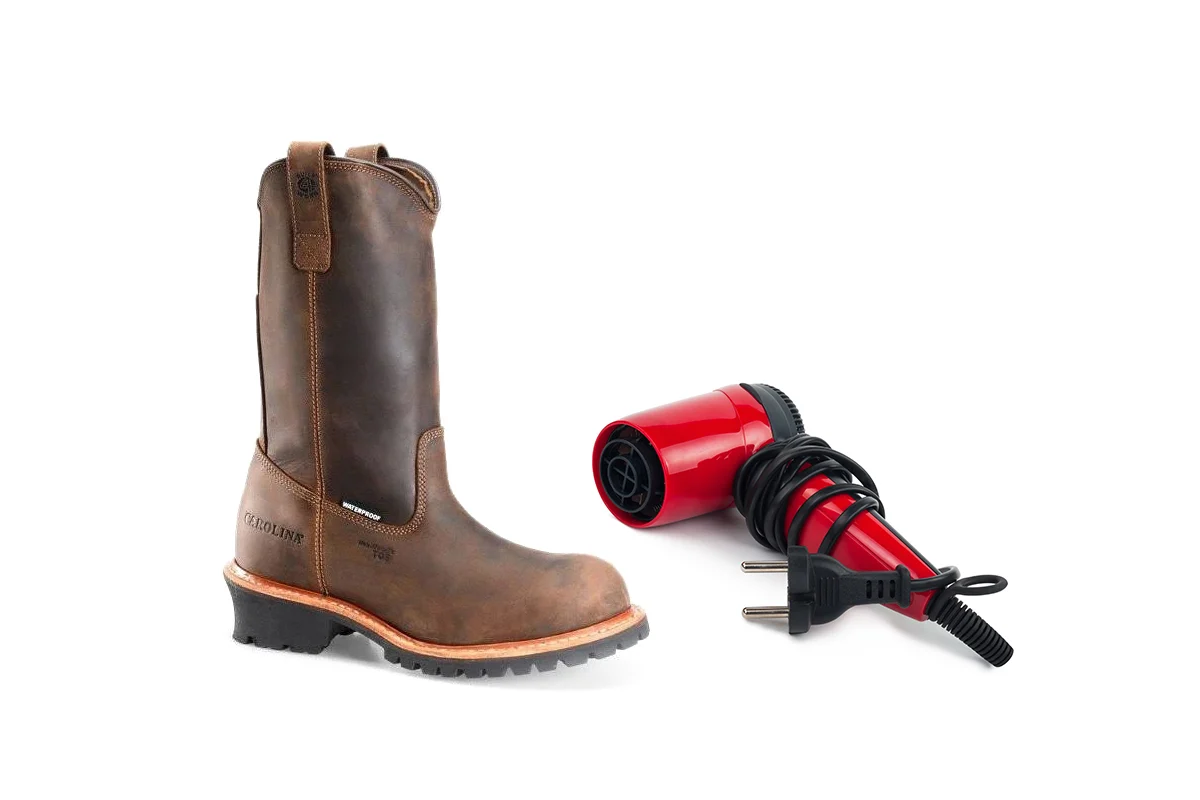
Leather boots are known for their durability, classic appearance, and ability to develop a comfortable fit over time. However, many people experience tightness when wearing a new pair, especially around the toes, width, or instep.
Unlike fabric footwear, leather naturally adjusts as it is worn. With the right approach, you can improve the fit without damaging the material. Learning how to stretch out leather boots can help make a stiff or snug pair feel more comfortable while protecting the quality of the leather.
Before trying any stretching method, it is important to understand whether the boots simply need breaking in or whether the size is incorrect.
Why Leather Boots Feel Tight at First
New leather boots often feel firm because the material has not yet adapted to the shape of your foot. Leather is naturally structured, and quality boots are designed to soften gradually with wear.
Common reasons leather boots may feel tight include:
New Leather Construction
Fresh leather can feel stiff before it develops flexibility. Regular wear allows the material to become softer and more comfortable.
Boot Shape
Some boot styles have narrower toe areas or structured designs that may feel snug initially.
Fit Differences
Feet vary in width, arch height, and shape. A boot that fits one person comfortably may feel tight for another.
A small amount of initial snugness is normal, but boots should never cause significant pain or restrict natural movement.
How to Stretch Out Leather Boots Safely
There are several methods that can help improve leather boot comfort.
Wear Thick Socks
One of the simplest ways to gradually stretch leather boots is wearing them with thicker socks.
This method works because:
- The extra layer creates gentle pressure
- Leather slowly adjusts to your foot shape
- The stretching process happens gradually
Wear the boots around the house for short periods to allow the leather to loosen naturally.
Avoid wearing tight boots for extended periods if they cause discomfort.
Use a Boot Stretcher
A boot stretcher is designed specifically to create controlled expansion in footwear.
It can help target areas such as:
- Width
- Toe box
- Pressure points
This method is useful because it allows gradual adjustment without putting excessive stress on the leather.
Boot stretchers are available in different designs, including options for:
- General widening
- Specific pressure areas
- Different boot shapes
Apply Leather Conditioner
Leather conditioner can help soften stiff leather, making it more flexible during the stretching process.
Conditioning helps by:
- Moisturizing the leather
- Reducing stiffness
- Supporting natural flexibility
Apply conditioner according to the product instructions and allow the leather time to absorb it.
Using too much product can affect the appearance and feel of the leather, so moderation is important.
Use Controlled Heat Carefully
Heat can make leather more flexible, but it must be used carefully.
Some people use a hair dryer on a low setting while wearing thick socks inside the boots. The gentle warmth may help soften tight areas.
However, excessive heat can:
- Dry out leather
- Damage finishes
- Affect boot structure
Avoid using high heat or placing leather boots near direct heat sources.
Consider Professional Stretching
For expensive or high-quality leather boots, professional stretching may be the safest option.
A footwear specialist can adjust specific areas while reducing the risk of damage.
Professional stretching may be helpful when:
- Boots are valuable
- The fit issue is significant
- Previous stretching attempts have not worked
Areas of Boots That Commonly Need Stretching
Different parts of a boot may feel tight depending on foot shape.
Toe Box
The toe area is a common pressure point, especially for people with wider feet.
A boot stretcher or gradual wear can help create more room.
Width
Some boots feel tight across the sides of the foot. Leather can often expand slightly with proper stretching methods.
Instep
The top part of the foot may feel restricted in some boot designs. Gradual stretching can help improve comfort.
Heel Area
The heel should feel secure, but excessive rubbing may indicate fit issues.
Proper sizing and gradual break-in can help reduce discomfort.
Mistakes to Avoid When Stretching Leather Boots
While stretching can improve comfort, incorrect methods may damage boots.
Using Excessive Heat
Too much heat can dry leather and weaken the material.
Overstretching
Leather can only expand so much. Forcing boots beyond their natural limits may affect their shape.
Using Damaging Liquids
Some online methods recommend soaking boots with water or harsh substances. These approaches may damage leather, finishes, and stitching.
Using products designed specifically for leather care is a safer option.
How to Maintain a Comfortable Leather Boot Fit
Once your boots reach a comfortable fit, proper maintenance can help preserve that comfort.
Helpful habits include:
Clean Boots Regularly
Remove dirt and debris to protect the leather surface.
Condition Leather Periodically
Leather conditioner helps maintain flexibility and prevents excessive dryness.
Store Boots Properly
Keep boots in a dry area and use boot trees or proper supports when possible.
Wear Appropriate Socks
The right socks can improve comfort, reduce friction, and help maintain a better fit.
Final Thoughts
Leather boots are designed to become more comfortable over time, but the right stretching methods can help improve fit while protecting the material. Whether using thicker socks, a boot stretcher, conditioning products, or professional services, gradual adjustments are usually the safest approach.
Taking care of leather footwear helps preserve both comfort and durability.
For those looking for quality boots built for different lifestyles, Boots Plus More offers a selection of footwear options, including tactical, work, and Western styles. Choosing the right pair and maintaining it properly can help ensure long-lasting comfort and performance.
