



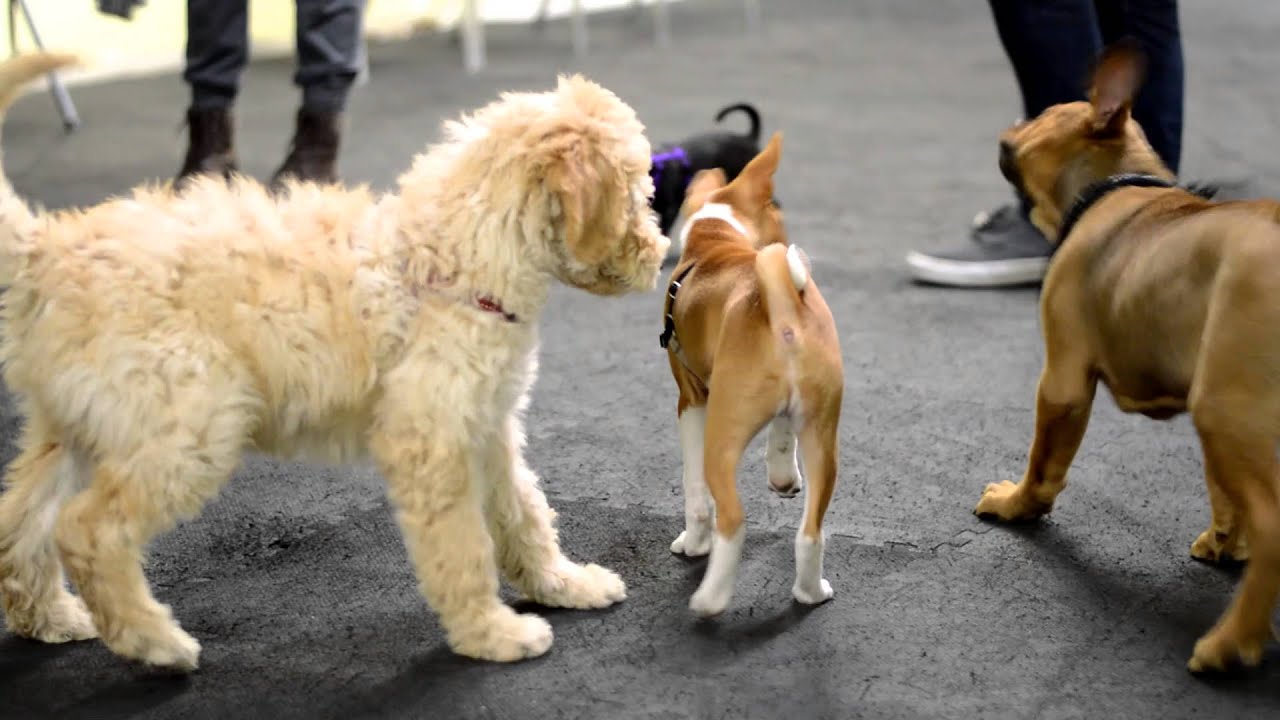
Puppy socialization training classes help young dogs develop the confidence and skills needed to navigate everyday life. Positive experiences with people, other dogs, sounds, and unfamiliar environments can influence how a puppy responds to new situations as an adult.
Effective socialization involves more than introducing a puppy to as many experiences as possible. It means creating safe, positive interactions that help puppies feel comfortable and recover when something seems unfamiliar. With thoughtful guidance, owners can build a foundation for better behavior and confident companionship.
Why Puppy Socialization Matters
Puppies are naturally curious, but they do not automatically know how to respond to unfamiliar people, animals, or environments. Without positive guidance, they may become fearful or develop habits that are harder to manage as adults.
Early socialization helps puppies learn that new experiences do not have to be threatening. It also allows owners to reinforce calm behavior and recognize uncertainty before a puppy becomes overwhelmed.
Well-socialized puppies can learn to handle situations such as:
- Meeting unfamiliar people without excessive jumping.
- Seeing other dogs without immediately pulling toward them.
- Hearing traffic and household appliances.
- Walking on grass, tile, and pavement.
- Visiting new places while remaining responsive to their owners.
- Recovering calmly after surprising experiences.
Socialization cannot guarantee that a dog will never experience fear. However, positive experiences build coping skills that support continued learning.
What to Expect From Puppy Socialization Training Classes
Quality puppy socialization training classes combine controlled exposure to new experiences with basic obedience and positive reinforcement. A structured class helps owners understand when to encourage exploration and when to provide space.
Safe and Supervised Puppy Interactions
Puppies benefit from learning appropriate social behavior around other dogs, but interactions should reflect their individual comfort levels. Some eagerly approach playmates, while others need time to observe from a distance.
A well-managed class allows puppies to practice social skills without being forced into uncomfortable situations. Trainers can monitor body language, interrupt overly rough play, and recognize when a puppy needs a break.
Calm observation can be just as valuable as direct interaction, particularly for puppies that feel uncertain around unfamiliar animals.
Early Obedience and Communication
Socialization works best when puppies also learn to communicate with their owners. Basic cues such as name recognition, recall, sit, and settling can help owners guide behavior around distractions.
Training should use rewards and clear expectations rather than intimidation. When puppies understand which behaviors earn reinforcement, they have more opportunities to make appropriate choices.
These early lessons support future leash manners, polite greetings, and reliable responses.
The Best Age to Start Puppy Socialization
The first few months of a puppy’s life are an important period for learning. Puppies are especially receptive to new experiences during early development, although socialization should reflect their health, temperament, and history.
Owners should discuss appropriate socialization opportunities with a veterinarian rather than automatically waiting until every vaccination is complete. Avoiding all new experiences can limit learning, while uncontrolled exposure to infectious environments creates health risks.
Ask your veterinarian which settings are appropriate based on your puppy’s vaccination schedule and local disease risks. A reputable trainer can recommend controlled experiences that follow relevant health precautions.
The goal is to provide age-appropriate opportunities that build confidence without unnecessary risks.
How to Socialize Your Puppy Between Classes
Classes provide structure, but daily experiences are equally important. Short, positive sessions at home and in suitable environments help puppies apply what they learn.
1. Introduce New Experiences Gradually
Begin with situations your puppy can handle comfortably. Let your puppy watch people walking past from a comfortable distance before attempting closer interactions.
Pair unfamiliar sights and sounds with treats or praise. If your puppy becomes frightened, increase the distance instead of forcing an approach.
2. Encourage Calm Greetings
Not every person or dog needs to interact directly with your puppy. Teach your puppy that calmly observing others is acceptable.
When greetings are appropriate, reward four paws on the ground and relaxed behavior. If your puppy jumps or becomes overly excited, create space and try again when it settles.
3. Practice Handling and Grooming
Gradually introduce brushing, nail handling, and gentle examination of your puppy’s paws. Begin with brief touches and reward relaxed responses.
Keep sessions short and stop if your puppy shows significant discomfort. Positive early experiences can make future grooming and veterinary visits easier.
4. Introduce Everyday Sounds
Household appliances, doorbells, and vehicles can surprise young dogs. Introduce these sounds at comfortable levels and pair them with positive experiences.
Avoid deliberately startling your puppy or playing noises so loudly that it becomes distressed. The goal is familiarity, not forced tolerance.
Recognizing Signs of Stress During Socialization
A quiet puppy is not necessarily comfortable. Learn to recognize signals that indicate uncertainty or a need for space.
Possible signs include:
- Turning the head or body away repeatedly.
- Tucking the tail or lowering the body.
- Repeated lip licking in stressful situations.
- Freezing, hiding, or attempting to escape.
- Refusing treats normally enjoyed.
- Seeking distance from people or other dogs.
Consider these behaviors in context because individual signals can have different meanings. If your puppy consistently struggles with new experiences, reduce the challenge and consult a qualified professional.
Allowing a puppy to retreat when uncomfortable helps build trust. Forced interactions may increase fear and make future introductions harder.
Common Socialization Mistakes to Avoid
Overwhelming the puppy
Crowded locations can create unnecessary stress. Start in quieter environments and gradually increase the challenge.
Allowing every dog to approach
Uncontrolled greetings can frighten puppies or teach them to expect constant access to other dogs. Choose suitable interactions and maintain enough distance for calm behavior.
Ignoring fearful behavior
Fear is not disobedience. Punishing a puppy for backing away or growling may suppress communication without addressing the underlying concern.
Focusing only on play
Socialization also involves observing calmly, exploring different environments, accepting routine handling, and disengaging from distractions.
Expecting immediate results
Socialization is ongoing. Puppies develop at different rates, and unfamiliar experiences may require several positive repetitions before they feel comfortable.
Choosing the Right Puppy Socialization Training Classes
Puppy socialization training classes should prioritize safety, positive reinforcement, and individualized guidance. A suitable class considers each puppy’s temperament rather than expecting every dog to progress at the same pace.
Ask trainers about their experience with puppy development, vaccination requirements, class size, supervision, and methods for handling fearful behavior. Find out how they manage puppy interactions and help owners continue training at home.
A good class teaches owners to understand their puppies, not simply follow commands.
Rob’s Dog Training offers services for owners seeking support with their pets’ behavior and development. Visit Rob’s Dog Training to explore available options and learn how professional guidance may support your puppy’s needs.
