



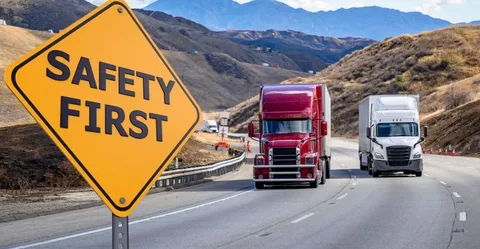
Australia’s transport industry keeps the country moving. From regional freight routes to urban delivery networks, trucks play a critical role in supporting businesses, communities, and supply chains nationwide.
According to the Australian Bureau of Statistics, the road freight industry moves hundreds of billions of tonne-kilometres of freight every year, highlighting the growing dependence on heavy vehicles across the country.
As freight demand increases, fleet operators and drivers face rising pressure to improve safety, efficiency, and compliance. Modern trucking businesses are now investing in smarter systems, better driver training, and advanced technologies to reduce risks and maintain productivity on Australian roads.
Why Truck Safety Matters More Than Ever
Heavy vehicles operate in challenging environments every day. Drivers navigate busy city streets, highways, loading zones, industrial sites, and regional roads while managing strict delivery schedules and fatigue regulations.
The National Heavy Vehicle Regulator (NHVR) continues to emphasise the importance of safe heavy vehicle operations due to the serious consequences of truck-related incidents. Even minor errors can result in expensive vehicle damage, delays, injuries, or compliance breaches.
One area receiving greater attention is truck reversing, which remains one of the most common causes of workplace and transport-related incidents. Poor visibility, blind spots, and confined loading areas can significantly increase risk during reversing manoeuvres.
Businesses that prioritise safety procedures not only protect drivers and pedestrians but also improve operational reliability and reduce insurance costs.
Common Challenges Faced by Truck Drivers
Truck operators across Australia deal with a variety of daily challenges that can affect both safety and efficiency.
Key challenges include:
- Congested metropolitan traffic
- Long-distance fatigue management
- Tight loading dock spaces
- Poor weather and road conditions
- Blind spots around heavy vehicles
- Pressure to meet delivery deadlines
- Compliance with Chain of Responsibility laws
These challenges make ongoing driver education and proper fleet management essential for transport businesses of all sizes.
The Role of Technology in Modern Trucking
Technology is transforming the Australian trucking industry. Fleet operators are increasingly adopting systems that improve visibility, driver awareness, route efficiency, and incident prevention.
Popular truck safety technologies include:
- Reverse cameras and sensors
- GPS fleet tracking systems
- Driver fatigue monitoring
- Blind spot detection
- Telematics reporting
- Collision avoidance systems
- Electronic work diaries
Research from the Australian Road Safety Foundation shows that advanced driver assistance systems can significantly reduce crash risks when combined with proper driver training and safe workplace procedures.
For fleet managers, these technologies provide valuable data that helps improve accountability and identify operational risks before they become serious problems.
Driver Training Remains Essential
While technology provides major benefits, skilled drivers remain the backbone of the transport industry. Training programs help drivers understand how to safely manage heavy vehicles in real-world conditions.
Effective truck driver training should cover:
Vehicle control and awareness
Drivers need a strong understanding of vehicle dimensions, turning circles, braking distances, and blind spots.
Reversing procedures
Safe reversing practices reduce the likelihood of collisions in depots, warehouses, and busy delivery sites.
Fatigue management
Long driving hours increase the risk of accidents. Drivers must understand legal work limits and rest requirements.
Load restraint
Incorrectly secured loads can shift during transport and create dangerous driving conditions.
Hazard awareness
Drivers should be trained to identify risks involving pedestrians, cyclists, and smaller vehicles.
Well-trained drivers contribute to lower maintenance costs, fewer incidents, and stronger customer confidence.
The Importance of Preventative Maintenance
Truck maintenance is another critical factor in keeping fleets safe and reliable. Breakdowns can lead to costly delays and serious safety risks, particularly on major highways and remote transport routes.
Routine maintenance checks should include:
- Tyre inspections
- Brake testing
- Fluid and oil levels
- Steering and suspension systems
- Lighting and indicators
- Trailer connections
- Safety equipment checks
A preventative maintenance schedule helps businesses reduce downtime and extend vehicle lifespan while improving road safety.
Sustainability in the Trucking Industry
The Australian trucking industry is also evolving to meet growing environmental expectations. Many businesses are exploring ways to reduce fuel consumption and lower emissions without sacrificing productivity.
Sustainable trucking strategies include:
- Route optimisation software
- Fuel-efficient driving techniques
- Low-emission fleet upgrades
- Reduced idle times
- Hybrid and electric vehicle trials
- Improved load planning
According to Infrastructure Australia, freight volumes are expected to continue growing significantly over coming decades. Sustainable transport strategies will therefore become increasingly important for long-term industry success.
Building a Safer Trucking Culture
A strong safety culture starts from the top. Businesses that actively support driver wellbeing, proper training, and safety compliance often experience better long-term outcomes.
Ways to strengthen trucking safety culture:
- Conduct regular safety meetings
- Encourage incident reporting
- Provide refresher driver training
- Reward safe driving behaviour
- Maintain clear workplace procedures
- Invest in modern safety equipment
- Monitor fleet performance consistently
When safety becomes part of everyday operations rather than just a compliance requirement, businesses create a more reliable and professional transport environment.
Final Thoughts
Australia’s trucking industry is essential to the nation’s economy, but growing freight demands also bring increased operational risks. By combining skilled drivers, advanced technology, preventative maintenance, and strong workplace safety practices, transport businesses can improve both productivity and road safety.
From fleet managers to independent operators, investing in smarter truck safety strategies helps protect people, reduce costs, and support long-term business success. As the industry continues to evolve, proactive safety management will remain one of the most important factors in building a resilient and efficient transport operation.
