



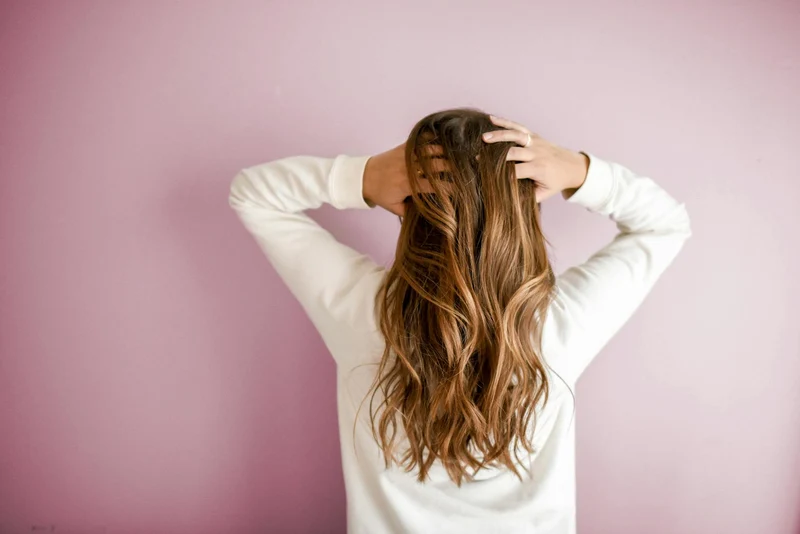
Choosing haircare products can feel overwhelming when shelves are filled with shampoos, conditioners, masks, oils, serums, and styling treatments. The key is understanding that healthy-looking hair does not come from using the most expensive product—it comes from choosing formulas that match your hair’s texture, condition, scalp needs, and styling habits.
Haircare products are designed with different cleansing, conditioning, moisturizing, and protective ingredients. What works beautifully for thick, curly hair may leave fine hair heavy or flat, while a strong cleansing formula suitable for an oily scalp may be uncomfortable for dry or damaged hair.
Start by Understanding Your Hair
Before purchasing a product, consider more than whether your hair is straight, wavy, curly, or coily. Strand thickness, density, scalp condition, porosity, and the amount of chemical or heat damage can all influence what your hair needs.
For example, fine hair generally benefits from lightweight formulas, whereas coarse or highly textured hair may need richer conditioning. Similarly, oily roots and dry ends may require a balanced routine rather than one product applied everywhere.
Products for Fine and Thin Hair
Fine hair can become weighed down easily, particularly when rich oils, thick creams, or heavy conditioners are used near the roots. Look for lightweight shampoos and conditioners that cleanse effectively without leaving excessive residue.
Volumizing sprays, lightweight mousses, and gentle leave-in products can help create body without making the hair feel greasy. Conditioner is still important, but applying it mainly from the mid-lengths toward the ends can help preserve volume around the scalp.
Choosing Products for Dry Hair
Dry hair usually needs greater attention to moisture and softness. Signs may include roughness, frizz, tangling, dullness, and increased breakage.
Moisturizing shampoos, nourishing conditioners, weekly masks, and lightweight leave-in treatments can support manageability. Ingredients such as glycerin, panthenol, aloe, and conditioning oils are commonly used in formulas intended to improve moisture and softness.
Instead of washing aggressively, focus shampoo primarily on the scalp and allow the lather to move through the lengths during rinsing.
Caring for Oily Hair
An oily scalp does not necessarily mean the hair itself needs harsh cleansing every day. Excessive cleansing can make the hair feel dry and uncomfortable, while insufficient cleansing can allow oil and styling-product buildup to accumulate.
Choose a shampoo that effectively cleans the scalp without leaving it feeling excessively stripped. A lightweight conditioner can be applied to the lengths and ends while avoiding unnecessary product at the roots.
If persistent oiliness occurs alongside itching, scaling, redness, or other scalp symptoms, consider discussing the issue with a dermatologist rather than continually changing cosmetic products.
Products for Straight Hair
Straight hair often distributes natural oils more easily than curly or tightly textured hair, so some people may experience oily roots while the ends remain relatively normal or dry.
Lightweight shampoos, conditioners, smoothing serums, and volumizing products can work well depending on individual needs. If the hair is limp, avoid layering numerous rich products because buildup can reduce movement and make the strands appear flatter.
Building a Routine for Wavy Hair
Wavy hair requires balance. Too much heavy moisture can make waves lose their shape, while insufficient conditioning may increase frizz.
A gentle shampoo, lightweight conditioner, leave-in conditioner, and flexible styling cream or mousse can provide hydration without overwhelming the natural pattern. Apply styling products while the hair is damp and avoid excessive brushing once the waves have formed.
Choosing Products for Curly and Coily Hair
Curly and coily hair often benefits from additional conditioning because natural scalp oils may not travel along the bends and curves of the hair as easily. Hydration, detangling, definition, and frizz control therefore become important considerations.
Rich conditioners, leave-in products, curl creams, and gels can help support definition and manageability. However, the right amount depends on strand thickness and density. Fine curls may need lightweight formulas, while dense, coarse curls may tolerate richer products.
There is also no universal rule that one ingredient must be avoided by everyone with curly hair. For example, whether a sulfate cleanser or silicone-containing product works depends on the individual’s hair, scalp, frequency of use, and overall routine.
Caring for Damaged or Chemically Treated Hair
Bleaching, coloring, relaxing, perming, and frequent heat styling can make hair more vulnerable to dryness and breakage. In these situations, product selection should focus on conditioning, strengthening, and protection.
Look for products formulated for damaged or chemically treated hair, including nourishing conditioners, repair treatments, masks, and heat protectants. If you regularly use straighteners, curling irons, or blow dryers, a heat-protective product can be an important part of the routine.
Remember that cosmetic products can improve the feel and appearance of damaged hair, but they cannot permanently restore a severely damaged strand to its original biological condition. Prevention and gentle handling remain important.
Don’t Ignore Your Scalp
Beautiful-looking hair begins with a well-maintained scalp. Your shampoo should generally be selected according to scalp needs, while conditioner and treatments can be selected according to the condition of the hair lengths.
For example, someone may have an oily scalp but dry ends. In that situation, using an extremely rich shampoo everywhere may not be ideal, just as using an aggressive cleanser on the entire hair shaft could increase dryness.
If you experience persistent dandruff, severe itching, inflammation, sores, or unusual hair shedding, professional evaluation is more appropriate than relying solely on cosmetic haircare.
Read the Ingredient List Instead of the Marketing
Packaging claims such as “repair,” “hydrating,” “strengthening,” or “natural” can be useful starting points, but they do not tell the entire story. Checking the ingredient list and considering how your hair responds to the formula can provide better guidance.
Conditioners commonly contain ingredients designed to improve manageability, reduce static, add smoothness, and enhance shine. Shampoos, meanwhile, contain cleansing agents that remove oil, dirt, and buildup.
If your scalp is sensitive, you may also want to pay attention to fragrance and other ingredients that have previously caused irritation.
Choose Products According to Your Main Problem
Rather than buying an entire collection based on hair type alone, identify your primary concern.
For dryness: prioritize moisture and conditioning.
For oiliness: prioritize effective but appropriate scalp cleansing.
For frizz: consider conditioning, smoothing, and humidity-control products.
For fine hair: prioritize lightweight formulas and avoid excessive layering.
For curls: focus on hydration, definition, and detangling.
For damage: emphasize conditioning, strengthening treatments, and heat protection.
This approach can make your routine simpler while preventing unnecessary product buildup.
When Hair Concerns Go Beyond Haircare Products
Haircare products can improve cleanliness, texture, shine, and manageability, but some concerns require professional assessment. Persistent thinning or noticeable changes in hair density should not automatically be treated as a product-selection problem.
For people researching options related to hair restoration, searching for NeoGraft Hair Transplant Near me may be a starting point for finding information about professional hair-transplant services. However, anyone considering a procedure should first have an appropriate consultation to determine the cause of hair loss, candidacy, expected results, and available treatment options.
Build a Routine You Can Actually Maintain
A complicated routine is not automatically a better routine. For many people, the foundation can be relatively simple: an appropriate shampoo, a suitable conditioner, an occasional treatment when needed, and heat protection when styling with heat.
Pay attention to how your hair behaves over several washes. If it becomes unusually greasy, heavy, dry, brittle, or difficult to manage, reassess the products and how frequently you use them.
Final Thoughts
The best haircare routine is personal. Hair texture provides a useful starting point, but scalp condition, strand thickness, damage, styling habits, climate, and individual sensitivity all influence which products are appropriate.
Instead of following every haircare trend, learn what your hair actually needs. Select products based on their purpose and ingredients, introduce changes gradually, and keep your routine consistent. With the right combination of cleansing, conditioning, protection, and care, it becomes much easier to maintain hair that looks healthy and feels manageable.
