



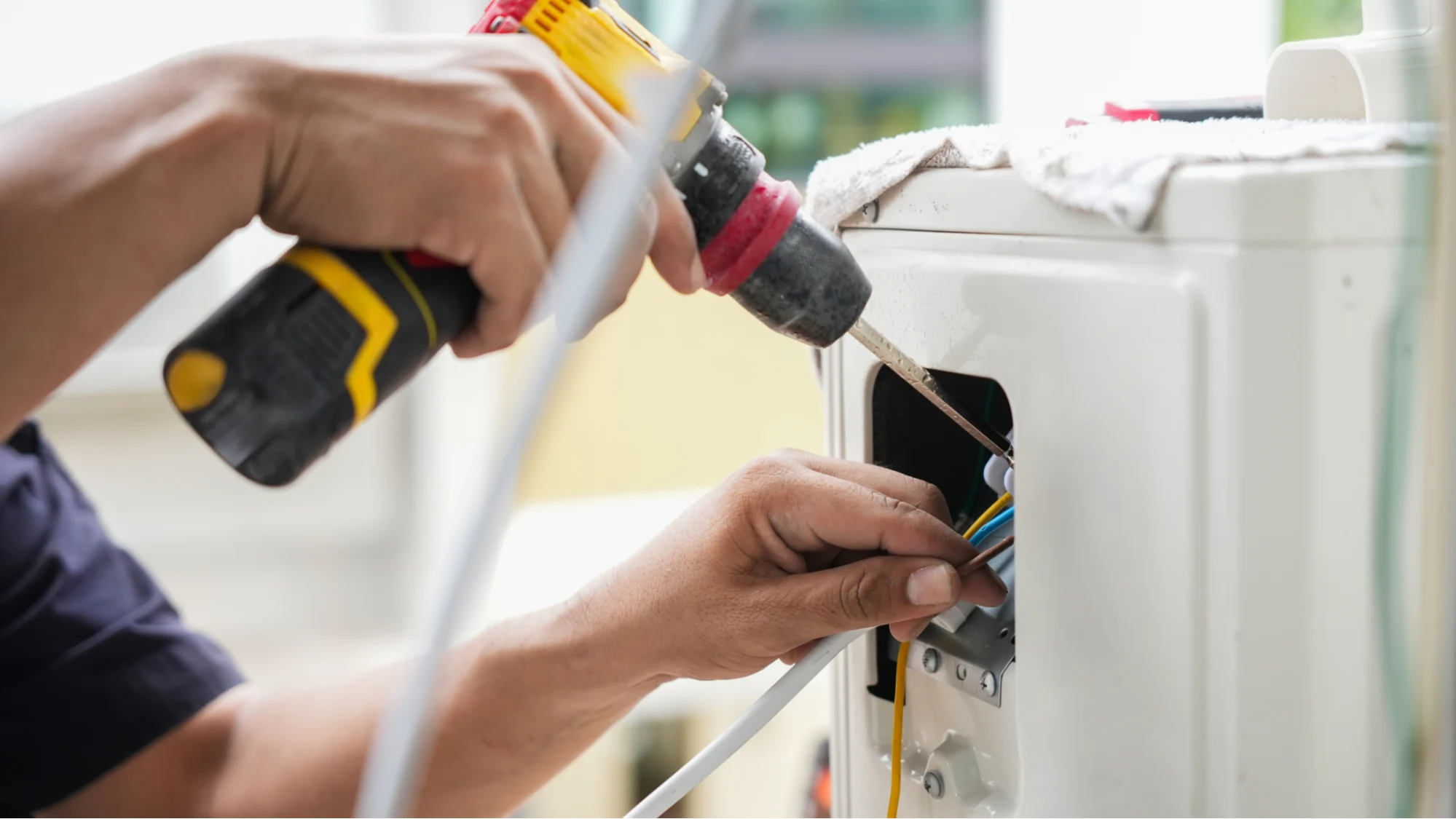
A furnace that suddenly stops working can be frustrating, especially when indoor temperatures become uncomfortable. Although some furnace problems have simple causes, others involve electrical components, ignition systems, airflow restrictions, or safety controls that require professional attention. Manufacturer troubleshooting guidance commonly identifies issues such as thermostat problems, restricted airflow, power interruptions, ignition failures, and safety-switch activation among the reasons a furnace may stop operating.
Contents
ToggleFor Orange County homeowners, understanding the common causes can make it easier to recognize a problem early and determine when professional service is appropriate.
1. A Dirty or Clogged Air Filter
One of the simplest causes of furnace trouble is a dirty air filter. As dust and debris accumulate, airflow through the heating system becomes restricted. The furnace may then overheat and activate its high-limit safety switch, shutting down the burners to protect the equipment.
A severely restricted filter can also contribute to weak airflow, uneven temperatures, longer heating cycles, and repeated shutdowns. Checking the filter regularly and replacing it according to the manufacturer’s recommendations can help maintain proper airflow.
2. Thermostat Problems
The thermostat tells the furnace when to start and stop. If it has dead batteries, incorrect settings, wiring problems, or a malfunctioning temperature sensor, the furnace may appear to have failed even though the heating unit itself is functioning.
Before assuming there is a major mechanical problem, homeowners can check that the thermostat is set to Heat, the desired temperature is higher than the current room temperature, and the fan setting is appropriate. These are among the basic checks recommended by furnace manufacturers.
3. Electrical or Power Problems
A furnace needs electrical power to operate its controls, blower, ignition system, and other components. A tripped circuit breaker, switched-off furnace service switch, blown fuse, or loose electrical connection can prevent the system from starting.
If a breaker repeatedly trips after being reset, however, it should not simply be reset over and over. Repeated electrical shutdowns can indicate an underlying problem that should be diagnosed by a qualified professional.
4. Ignition or Pilot Problems
Modern gas furnaces commonly use electronic ignition systems, while some older systems use standing pilot lights. A failed ignitor, ignition-control problem, or pilot issue can prevent the burners from producing heat.
A furnace may sometimes begin its startup sequence but fail to establish or maintain a flame. In that situation, the system may shut itself down rather than continue operating without confirmed combustion. Ignition-related problems can require specialized testing and should generally be handled by an HVAC professional.
5. A Dirty Flame Sensor
The flame sensor is an important safety component in many gas furnaces. It verifies that a flame has been established after the gas valve opens.
If the sensor becomes contaminated or fails, the furnace may ignite briefly and then shut the burners down. This can create a confusing situation where the furnace appears to start normally but produces little or no heat.
Because the flame sensor is part of the combustion-control system, repeated shutdowns should be professionally diagnosed rather than repeatedly restarted.
6. Overheating and a Faulty Limit Switch
A furnace contains safety controls designed to protect the equipment when temperatures become excessive. Restricted airflow from a dirty filter, blocked return air, closed vents, or blower problems can contribute to overheating.
When the high-limit switch detects excessive temperature, it can shut off the burners. The blower may continue running while the furnace cools, which can make homeowners think the system is producing cold air.
If this happens repeatedly, replacing the filter alone may not solve the underlying issue. The airflow and furnace operation should be evaluated.
7. Blower Motor Problems
The blower distributes heated air through the home’s ductwork. If its motor becomes worn or fails, the furnace may have difficulty moving air through the house.
Possible warning signs include weak airflow, unusual noises, overheating, or a furnace that starts but does not deliver sufficient warm air. Manufacturer troubleshooting information also identifies failing blower motors and airflow restrictions as potential causes of heating problems.
8. Blocked Vents or Return Air
Furnace performance depends on adequate airflow. Furniture, rugs, dust, or other objects can accidentally block supply registers or return grilles.
A homeowner can check that vents and return openings are unobstructed. If airflow remains weak after obvious blockages are removed and the filter is replaced, there may be a ductwork, blower, or internal furnace problem requiring professional diagnosis.
9. Gas Supply or Combustion Problems
Gas furnaces require a reliable fuel supply and properly functioning combustion components. Problems involving the gas valve, burners, pressure controls, or fuel supply can prevent normal operation.
These issues should not be treated as routine DIY repairs. Working around gas connections and combustion equipment carries significant safety risks, and qualified HVAC professionals should handle diagnosis and repair.
10. Condensate Drain Problems in High-Efficiency Furnaces
High-efficiency condensing furnaces produce water as part of their operation. That condensate normally travels through a drain system.
If the drain becomes blocked, the furnace may activate a safety control and stop operating. This is particularly relevant to newer high-efficiency systems, which have additional components that older conventional furnaces may not have.
11. A Problem With the Control Board
The furnace’s control board coordinates several operating functions, including ignition, safety controls, blower operation, and communication with the thermostat.
A damaged control board can therefore create different symptoms, including failure to start, unusual cycling, or inconsistent operation. Because diagnosing control-board problems often requires electrical testing and interpretation of furnace fault codes, professional service may be necessary.
Warning Signs That Should Not Be Ignored
Some furnace symptoms deserve immediate attention. These include:
- Repeated short cycling
- Strong or unusual fuel odors
- Burning smells that do not quickly disappear
- Loud banging or grinding
- Yellow or abnormal flames on applicable gas appliances
- Visible soot around the furnace
- Repeated circuit-breaker trips
- A carbon monoxide alarm activating
- A furnace that repeatedly fails to ignite
Carbon monoxide is especially important with fuel-burning furnaces. California health authorities recommend professional inspection and maintenance of fuel-burning appliances, along with properly installed carbon monoxide detectors.
If a carbon monoxide alarm sounds, leave the home and seek emergency assistance rather than continuing to troubleshoot the furnace.
What Homeowners Can Safely Check
Before arranging service, homeowners can generally perform a few basic observations:
- Confirm that the thermostat is set to Heat.
- Check whether the thermostat batteries need replacement.
- Look at the furnace filter and replace it if it is dirty.
- Make sure supply and return vents are not blocked.
- Check whether the furnace has electrical power.
- Look for visible diagnostic lights or error codes.
- Check the owner’s manual for manufacturer-specific instructions.
Avoid disassembling gas components, bypassing safety switches, modifying wiring, or repeatedly attempting ignition repairs without appropriate training.
When to Call for Furnace Repair in Orange County
If basic checks do not restore operation, professional diagnosis can identify whether the problem involves the thermostat, electrical system, ignition, flame sensor, blower, airflow, safety controls, or another component.
Choosing furnace repair Orange County services from a qualified HVAC professional can also help ensure that combustion, electrical connections, safety controls, and ventilation are inspected properly rather than simply addressing the visible symptom.
Preventing Unexpected Furnace Failures
Regular maintenance can reduce the likelihood of sudden heating problems. Keeping filters clean, maintaining unobstructed vents, watching for unusual sounds, and arranging periodic professional inspections can help identify developing issues before they become major failures.
California’s Air Resources Board recommends having trained professionals inspect, clean, and adjust fuel-burning appliances regularly because proper maintenance and ventilation are important for reducing combustion-related hazards.
Final Thoughts
A furnace can stop working for many reasons, ranging from a dirty filter or thermostat issue to ignition failure, overheating, blower problems, or a malfunctioning safety component. Recognizing the symptoms can help Orange County homeowners respond appropriately and avoid unnecessary delays.
Simple maintenance can prevent some problems, but gas, combustion, electrical, and repeated safety-shutdown issues should be evaluated by a qualified HVAC professional. Prompt attention can help restore reliable heating while keeping the furnace operating safely.
