



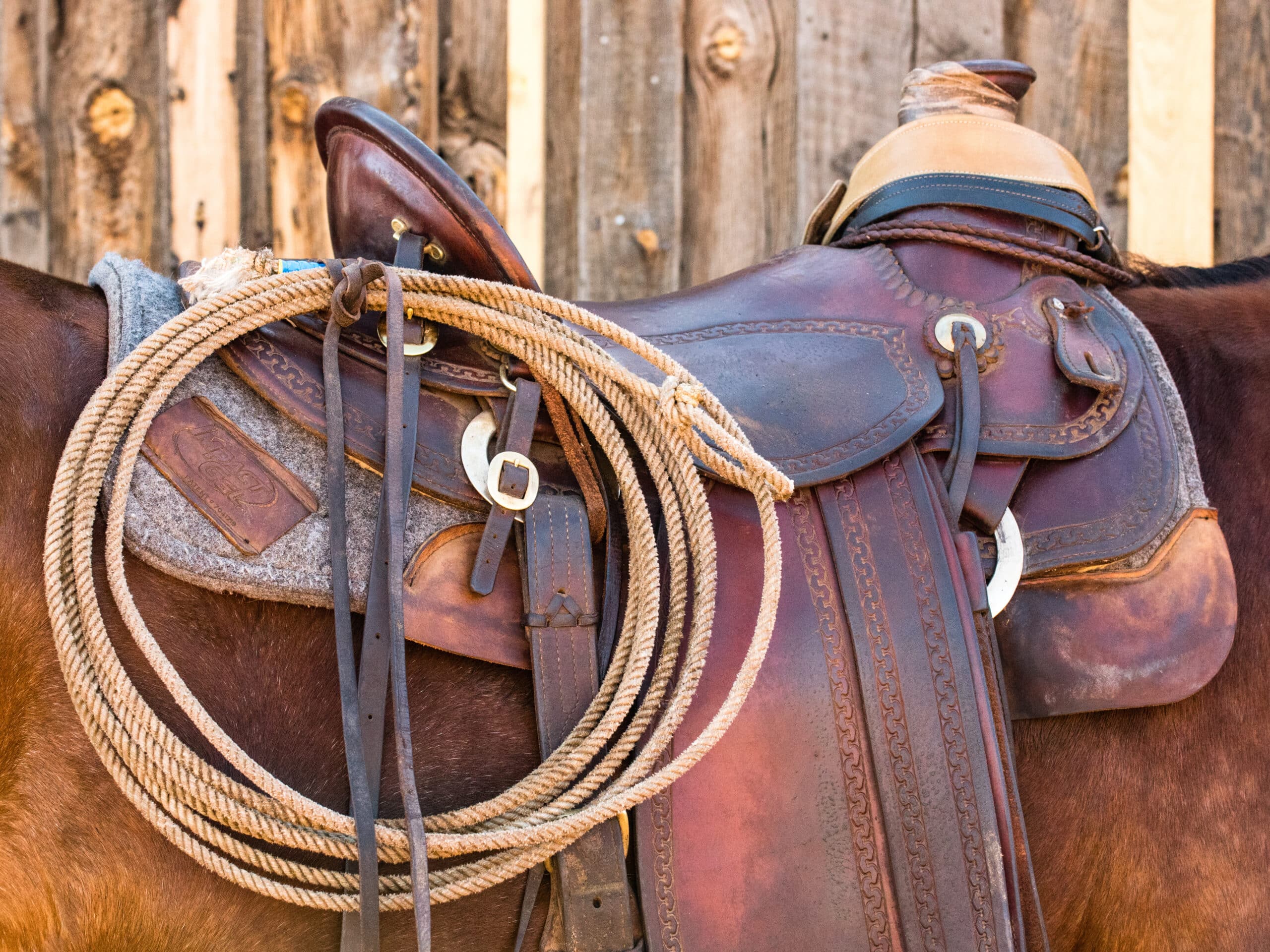
Choosing the right saddle is one of the most important decisions for any horse rider. A saddle is more than riding equipment—it creates the connection between horse and rider while helping provide comfort, balance, and support during every ride.
With many styles, materials, and designs available, finding the right option can feel overwhelming. Riders searching for a western saddle for sale should consider more than appearance or price. The best saddle depends on the rider’s goals, the horse’s build, and the type of riding they plan to do.
Understanding the key differences between Western saddles can help buyers make a more informed decision.
Understanding the Purpose of a Western Saddle
Western saddles were originally developed for working riders who spent long hours on horseback, especially in ranch environments. Over time, saddle designs evolved to support different riding activities, from everyday trail riding to specialized competitions.
Unlike a general-purpose piece of equipment, Western saddles are often designed with specific features for different uses. The shape of the seat, saddle tree, horn, and overall construction can influence how the saddle performs.
For example, a rider spending hours on outdoor trails may prioritize comfort and stability, while a competition rider may need a saddle designed for quick movements and precise control.
What to Consider Before Buying a Western Saddle
Before purchasing a saddle, riders should evaluate several important factors.
Consider Your Riding Style
The first step is identifying how the saddle will be used.
Trail Riding
Trail riders usually need a saddle designed for comfort over longer periods. Features such as balanced weight distribution, rider support, and durability are often important considerations.
Ranch Riding
Ranch riders typically need equipment that can handle regular use in different conditions. A durable saddle with strong construction can be valuable for daily riding activities.
Competition Riding
Competition disciplines often require specialized saddle designs. Barrel racing, roping, and other events each have different performance needs.
Choosing a saddle based on riding purpose helps ensure better comfort and functionality.
Focus on Horse Fit
A saddle must fit the horse properly. Even a high-quality saddle may create problems if it does not match the horse’s shape.
Important fit considerations include:
Saddle Tree
The tree provides the saddle’s structure and influences how weight is distributed across the horse’s back.
Width and Shape
Horses have different body types, so riders should consider whether the saddle design matches their horse’s build.
Balance
A properly balanced saddle helps both horse and rider maintain a comfortable position.
An incorrect fit can affect movement and create discomfort, which is why saddle selection should always include the horse’s needs.
Prioritize Rider Comfort
A saddle should also fit the rider.
Important factors include:
- Seat size
- Seat depth
- Stirrup position
- Overall riding position
A comfortable saddle allows riders to maintain balance and enjoy longer rides with less discomfort.
Riders should choose a saddle that feels secure while allowing natural movement.
Different Types of Western Saddles
Western saddles come in many styles, each designed for different activities.
Trail Saddles
Trail saddles are popular among recreational riders who enjoy outdoor adventures. They are designed with comfort in mind and often include features that support longer rides.
Common features include:
- Comfortable seats
- Durable materials
- Balanced construction
- Gear attachment options
Ranch Saddles
Ranch saddles are designed for riders who spend time working around livestock. They are built for durability and regular use.
These saddles often focus on:
- Strength
- Stability
- Long-term comfort
- Reliable construction
Roping Saddles
Roping saddles are designed for activities that require strength and security. They typically include reinforced components to handle demanding riding situations.
Barrel Saddles
Barrel saddles are made for speed-based events. They are generally lighter and designed to help riders maintain balance during quick turns.
All-Around Saddles
For riders involved in multiple activities, an all-around saddle can provide flexibility. These saddles work well for general riding, lessons, and recreational use.
New vs Used Western Saddles: Which Is Right for You?
When shopping for a Western saddle, riders often consider whether to purchase new or used equipment.
Benefits of a New Saddle
A new saddle offers:
- Fresh materials
- Current designs
- No previous wear
- More options for customization
For riders who want a saddle built specifically for their needs, buying new can be a good choice.
Benefits of a Used Saddle
Used saddles can provide:
- Potential cost savings
- Access to quality brands
- Broken-in leather
- A wider range of available styles
The right choice depends on budget, preferences, and saddle condition.
How to Maintain Your Western Saddle
A quality saddle can last many years with proper care.
Basic maintenance includes:
- Cleaning leather regularly
- Using suitable leather conditioner
- Keeping the saddle stored in a dry area
- Checking hardware and stitching
- Protecting it from extreme weather
Regular care helps preserve the saddle’s appearance and performance.
Final Thoughts
Finding the right Western saddle requires careful consideration of riding style, horse fit, rider comfort, and saddle quality. A well-selected saddle can improve the riding experience while supporting a stronger connection between horse and rider.
Whether you are purchasing your first saddle or upgrading your current equipment, choosing based on your specific needs is the best way to find the right fit.
For riders looking for quality Western riding equipment, Saddle Up Colorado offers a selection of new saddles designed for different riding styles and preferences. Explore available options and find a saddle that fits your next riding adventure.
